Titanium Machining
Cutting-edge technologies
for a premium material


Titanium is a material with absolutely extraordinary properties, possessing a unique combination of physical and mechanical characteristics that make it extremely versatile and invaluable across numerous industrial and technological applications.
It is a chemical element with atomic number 22 and the symbol Ti on the periodic table. It stands as the ninth most abundant element in the Earth’s crust, although processing its minerals into metallic titanium remains a complex and costly operation.
Exceptionally tensile-resistant, highly lightweight, and boasting excellent resistance to corrosion, acids, chemical agents, and impacts, it is also non-magnetic, biocompatible, and features an extremely high melting point, enabling its use at very elevated temperatures. Titanium bridges characteristics that typically cause application conflicts in alternative materials or alloys.
Indeed, it stands out as one of the most versatile materials in existence, with a virtually infinite range of applications that is bound to expand even further in the future.
What are the advantages?
titanium alloys offer several key benefits

Lightweight properties
The density of titanium is approximately 4.5 grams per cubic centimetre, making it roughly half the weight of steel. This lightweight nature makes it ideal for applications requiring significant weight reduction without compromising structural strength.

Corrosion resistance
With the sole exception of platinum, titanium exhibits the best corrosion resistance among metals. When exposed to oxygen in the air or water, titanium naturally forms a resilient, protective oxide layer on its surface, which also ensures excellent protection against erosion.

Thermal and electrical conductivity
Titanium possesses moderate thermal and electrical conductivity compared to other metals. These properties make it highly suitable for a variety of applications, including electrical and electronic components, as well as parts exposed to elevated temperatures.

High melting point
The melting point of titanium is approximately 1,668 degrees Celsius (3,034 degrees Fahrenheit), making it a metal with a relatively high melting threshold. Its capacity to maintain structural stability at elevated temperatures makes it invaluable in many applications where other metals might deform or suffer thermal damage.
What types of components can be manufactured using titanium?
Aerospace
We manufacture critical structural components for both aircraft and spacecraft.
Medical Sector
Titanium is used to produce joint prostheses, bone plates, surgical screws, pacemakers, heart valves, and various other biocompatible medical implants.
Automotive Industry
Our capabilities cover high-performance engine components, exhaust systems, suspensions, springs, screws, nuts, bolts, and specialized car body structures.
Consumer Goods
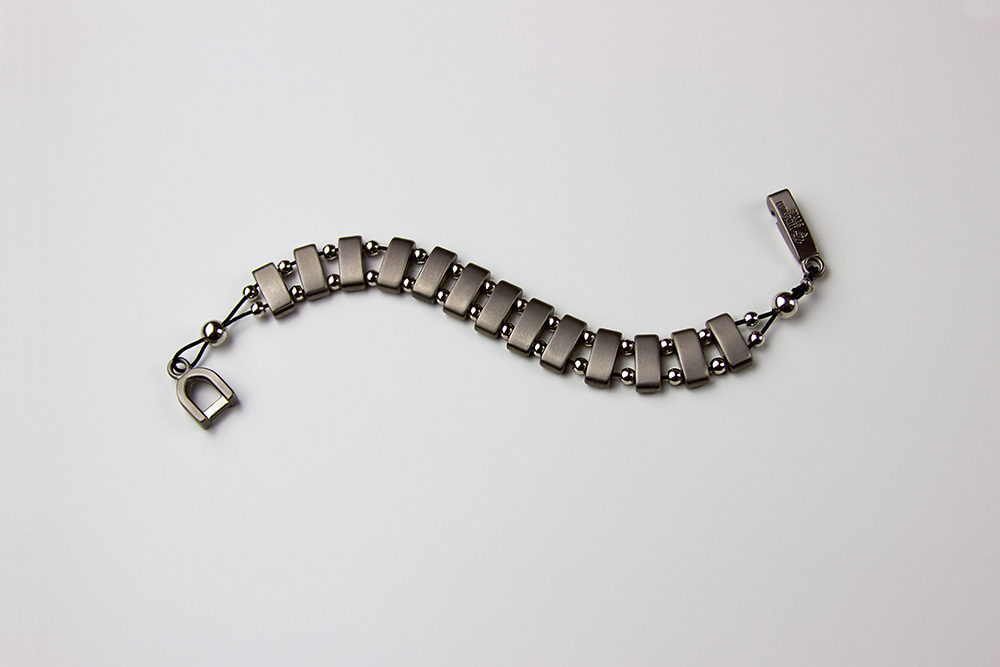
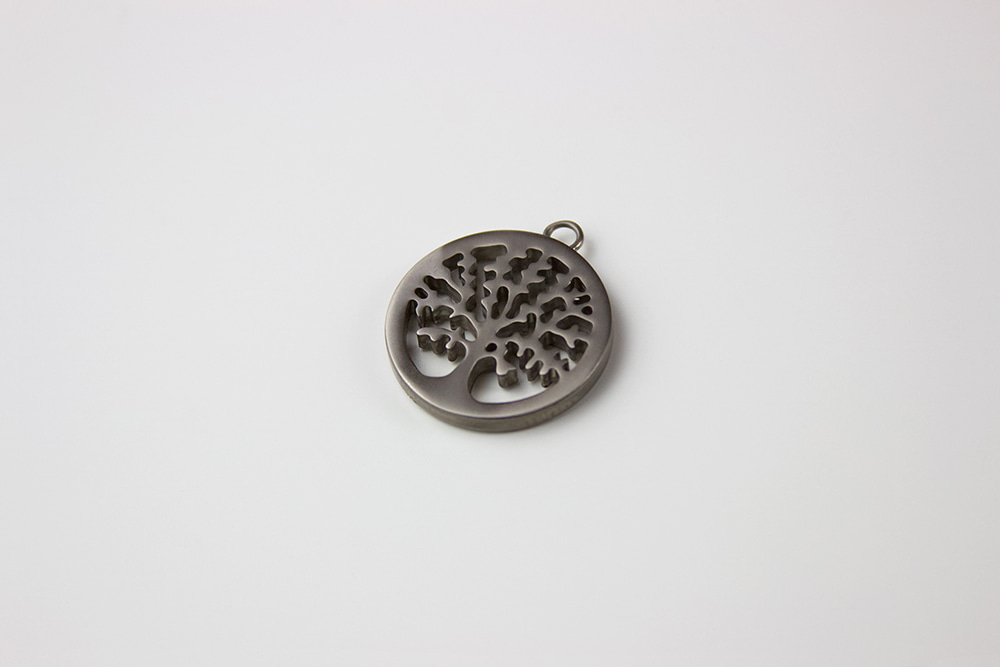
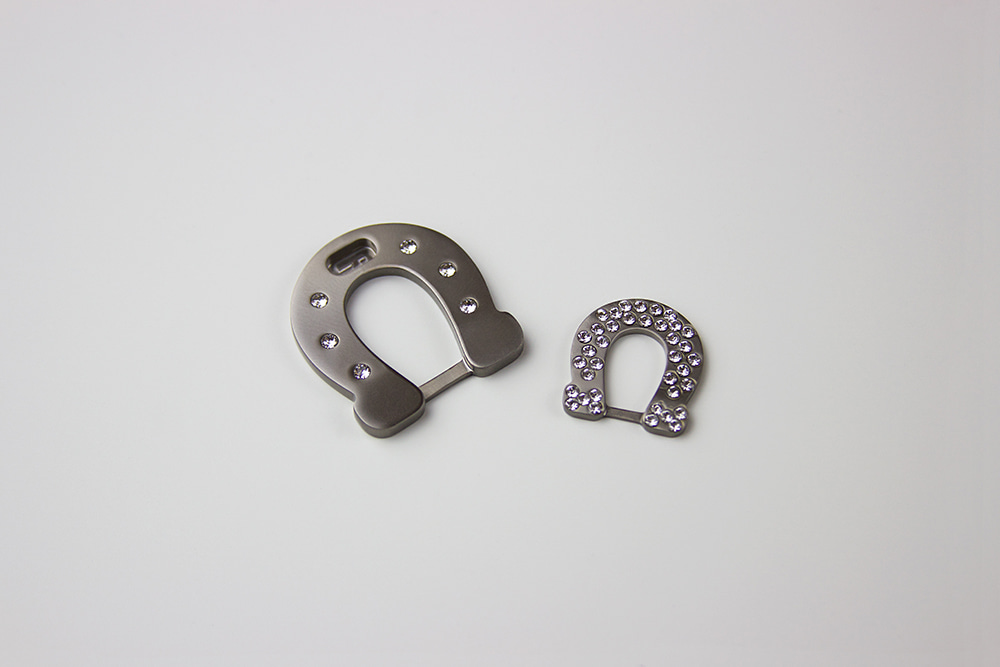
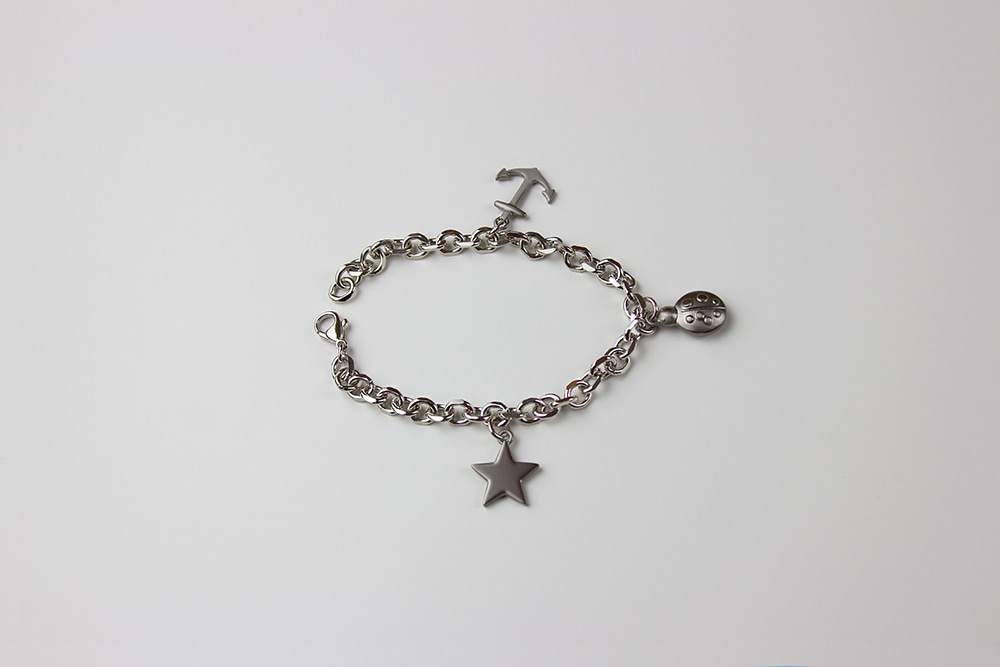
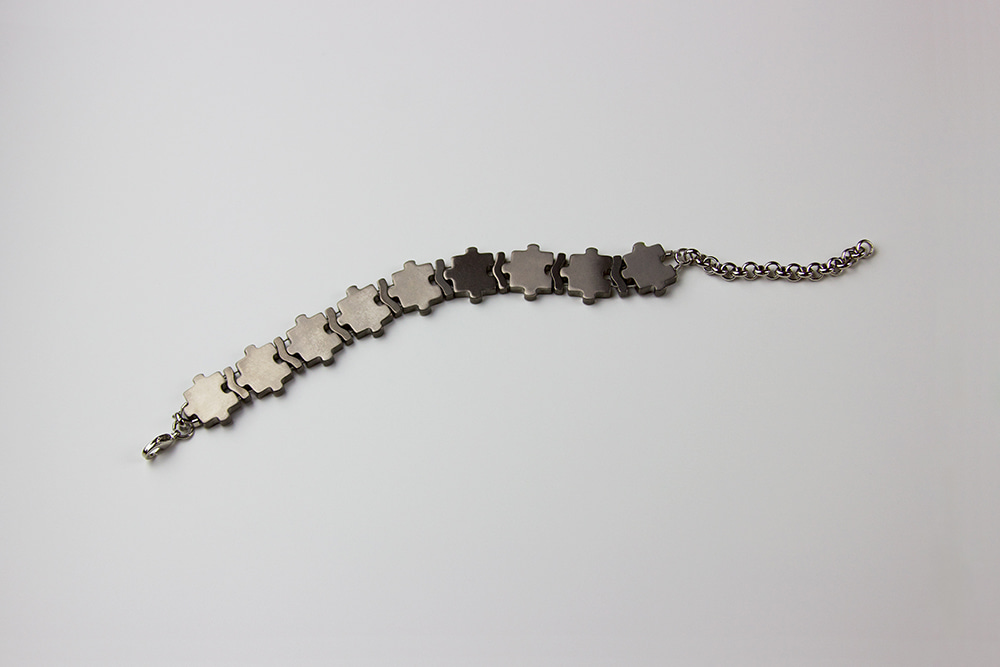
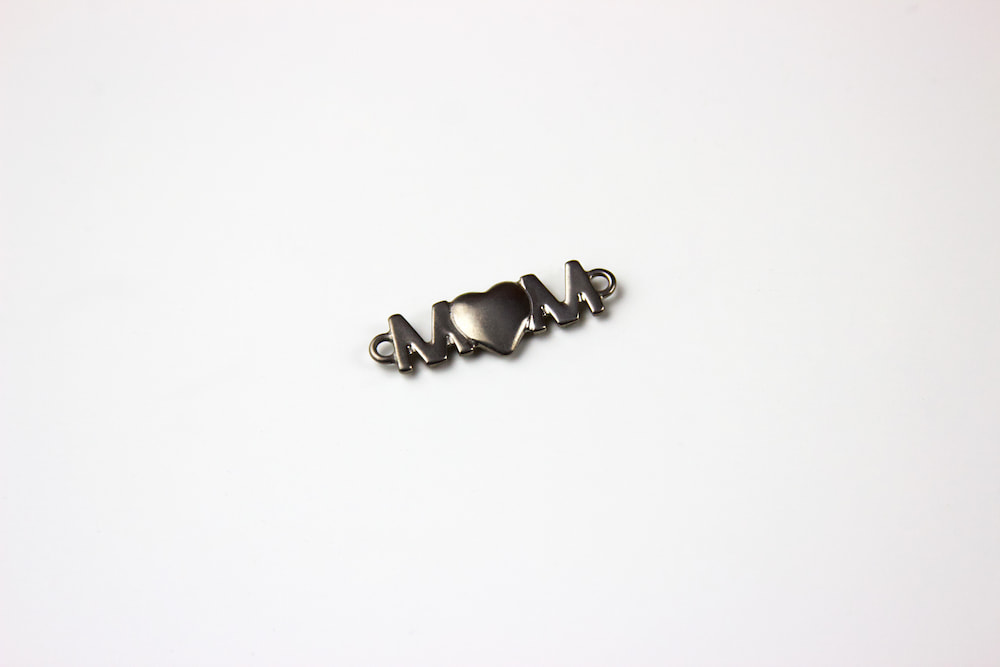
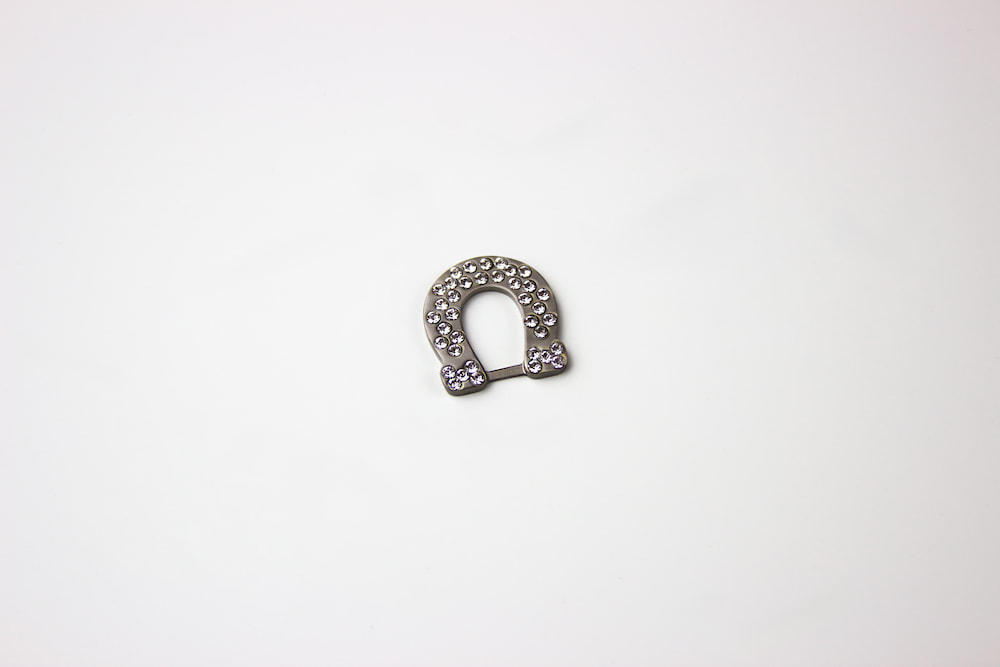
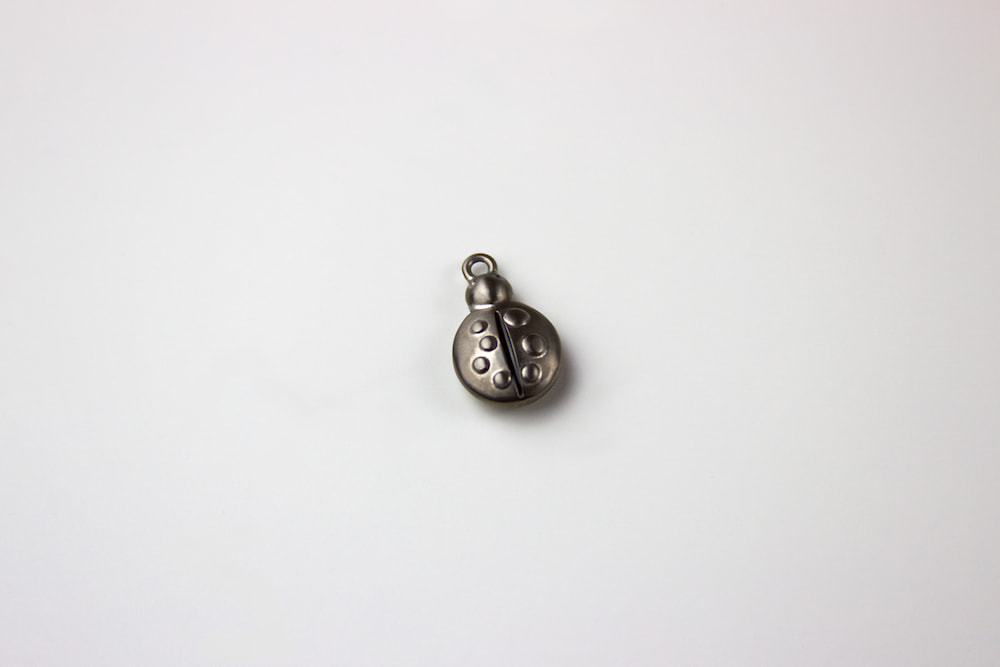
This material is ideal for premium consumer products such as eyeglass frames, watch cases, high-end jewellery, cameras, cookware, and kitchen utensils.
Sports Equipment
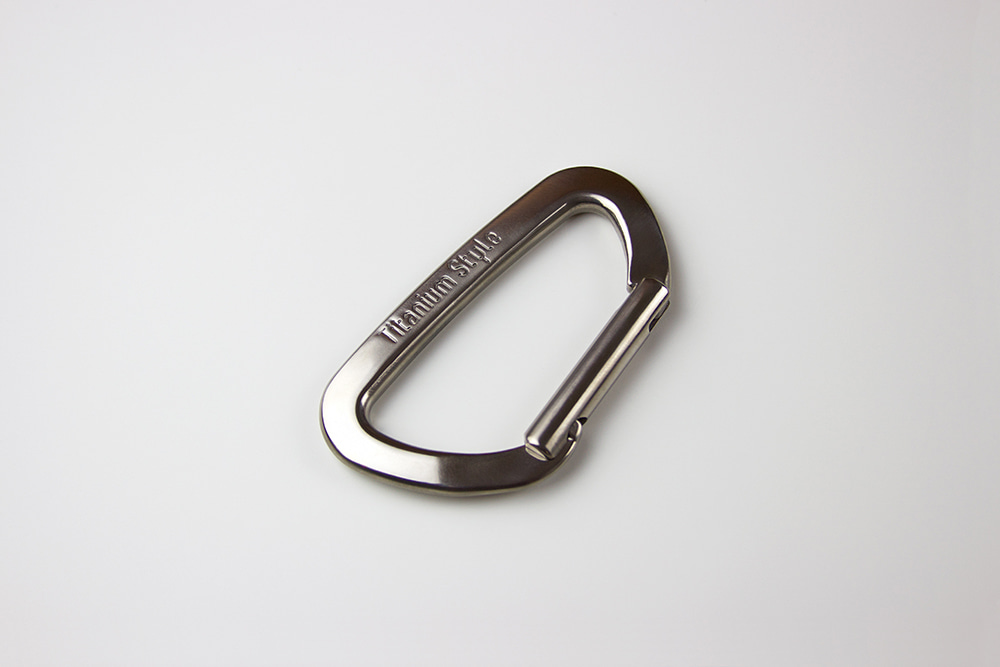
We provide components for the manufacturing of premium bicycle frames, golf clubs, tennis rackets, and specialized climbing gear.
Architecture
Titanium is selected for advanced decorative and structural components of modern buildings, as well as complex artistic sculptures.
Marine Industry
We produce critical components for ships, submarines, and offshore drilling platforms exposed to harsh marine environments.
Energy Sector
Our production includes applications for wind turbines, generators, heat exchangers, and other heavy-duty equipment used in power generation and distribution.