Plastic Injection Moulding
Experts in the moulding
and micro-moulding
of thermoplastic materials


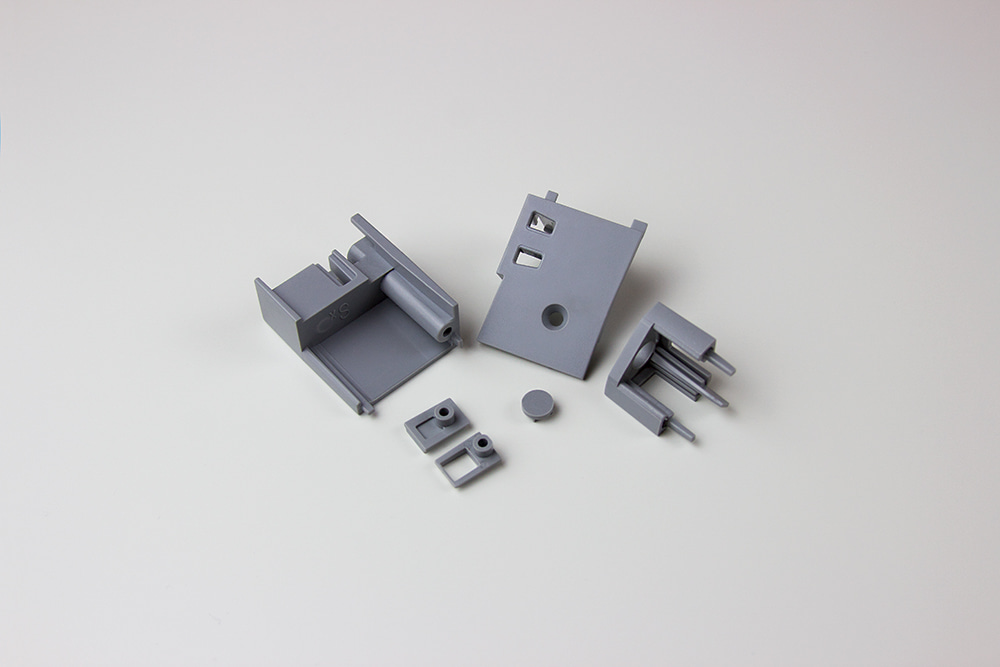
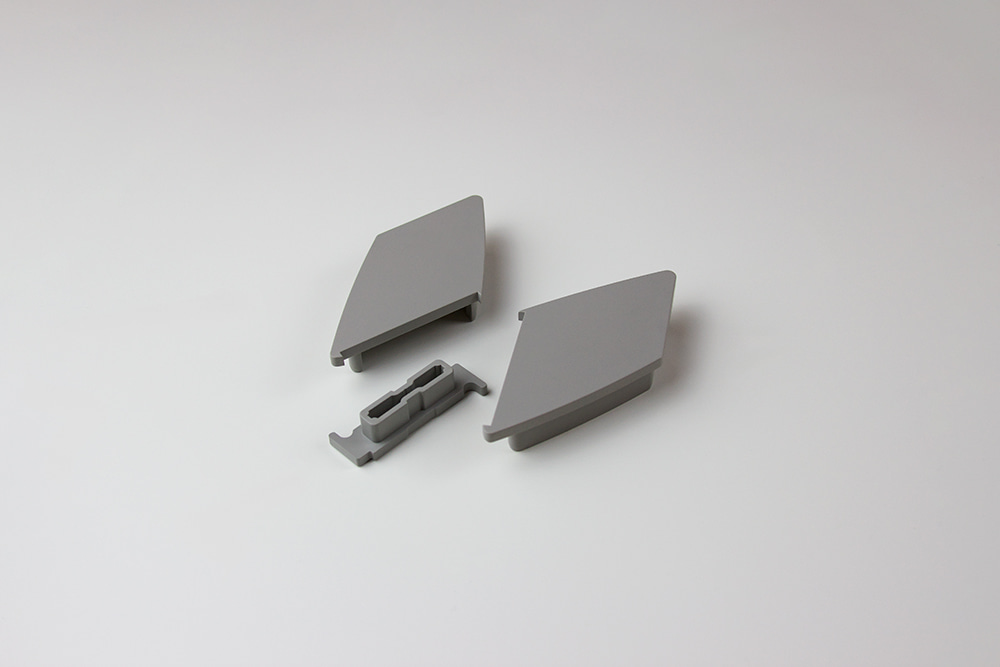
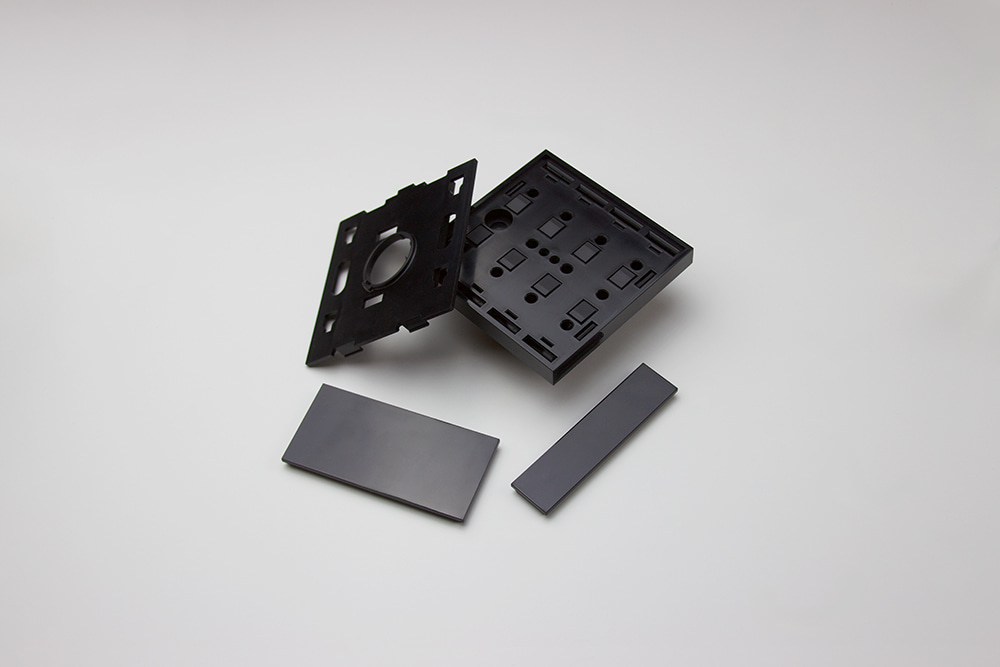
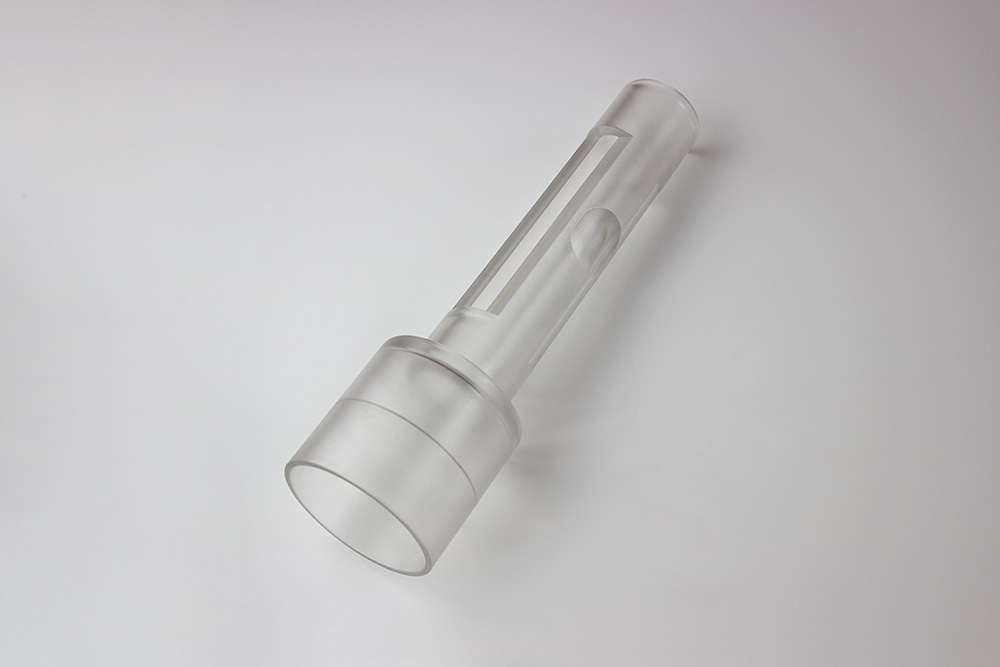
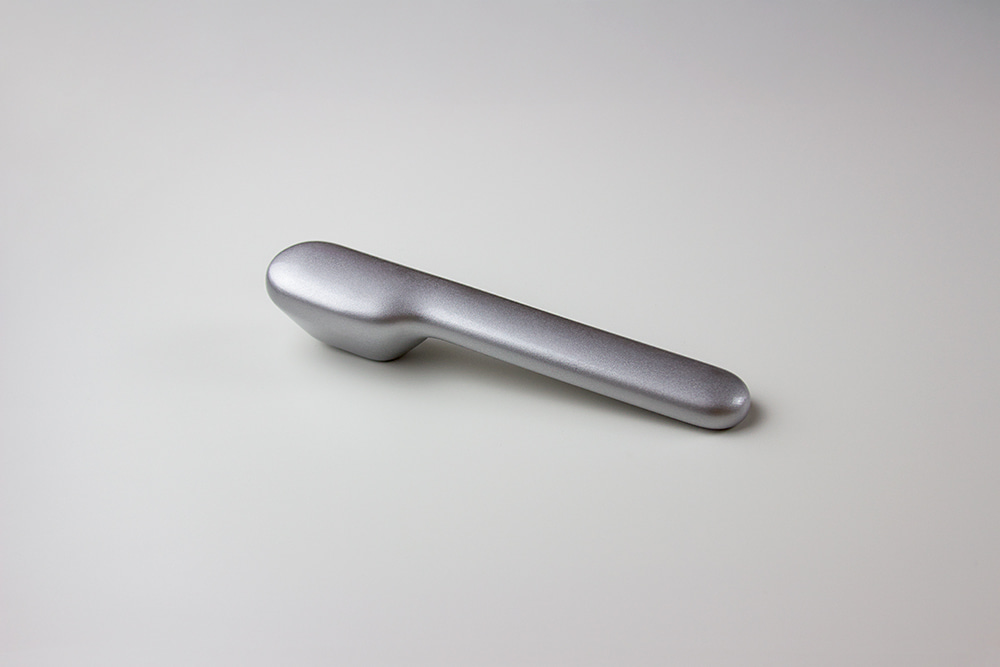
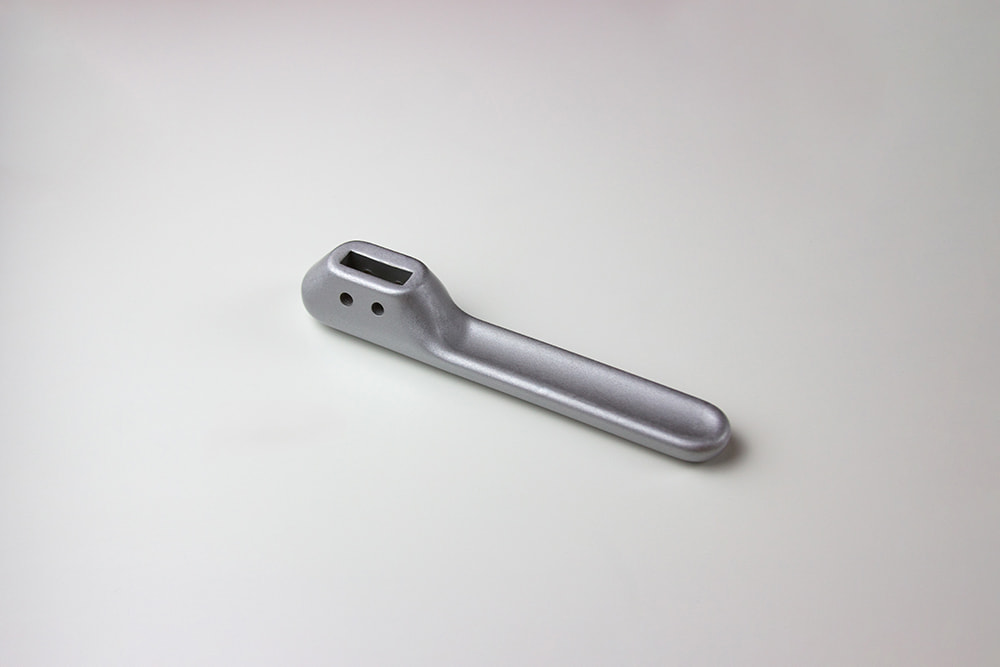
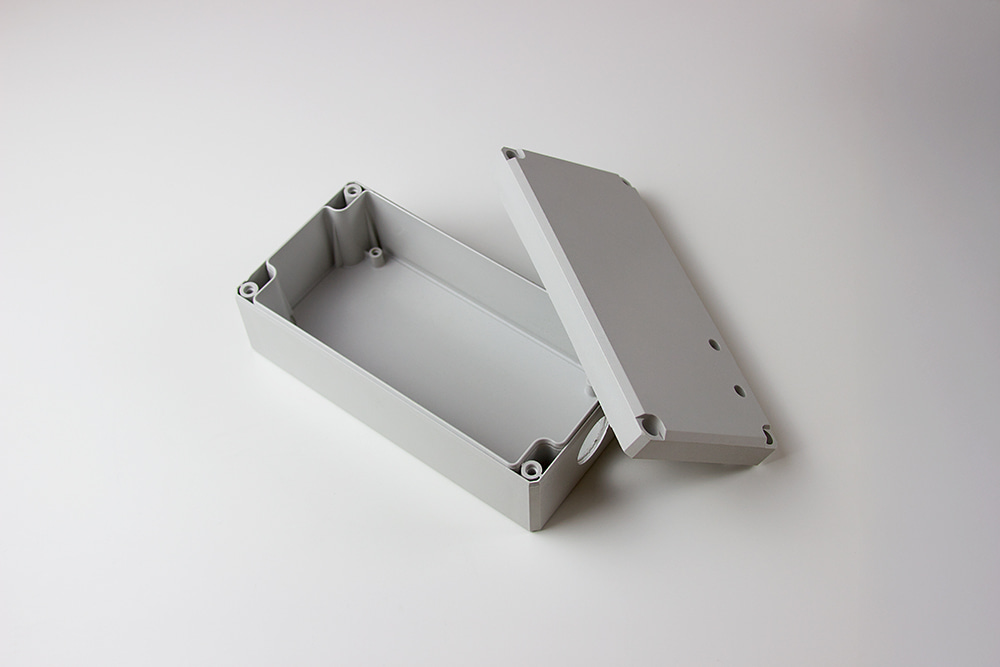
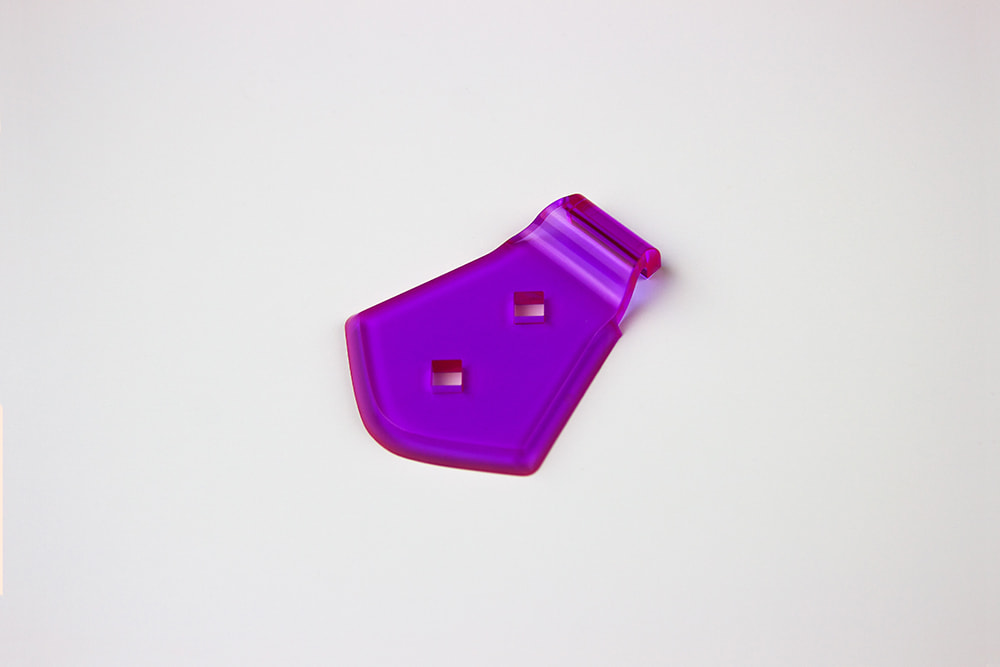
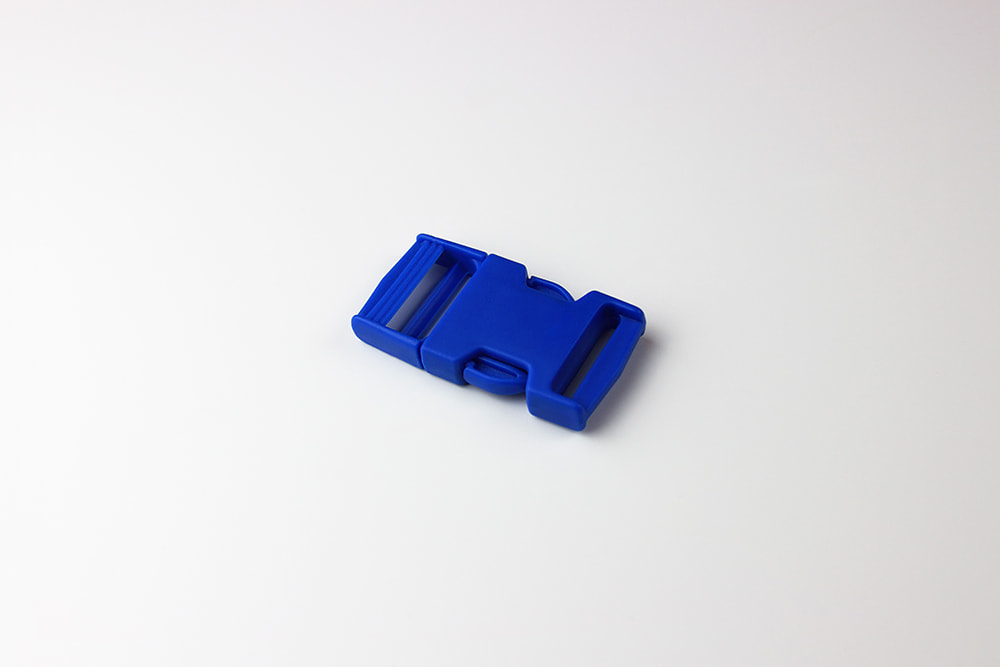
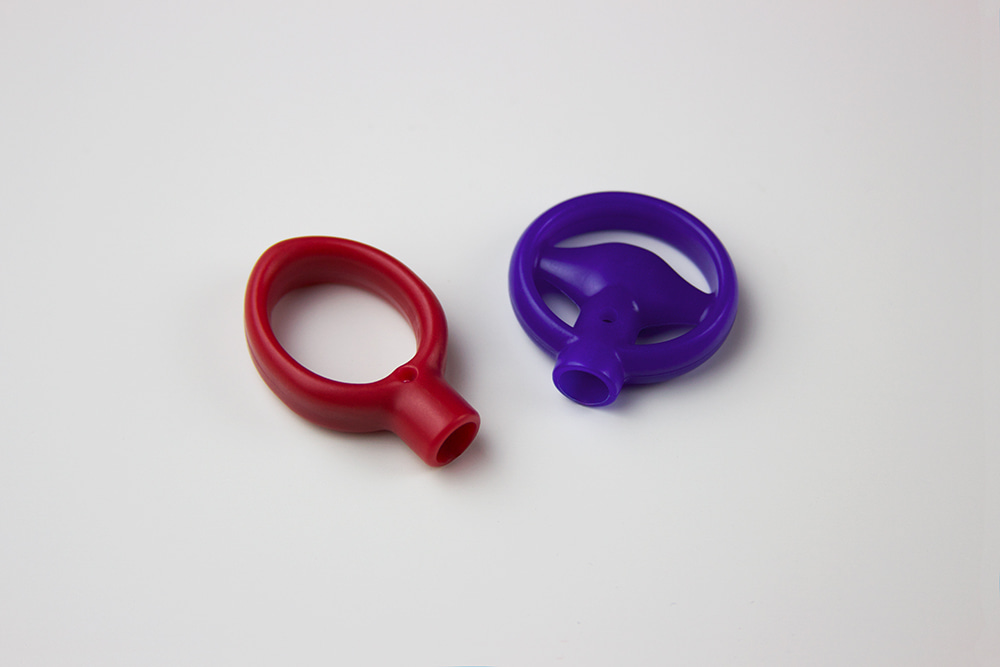
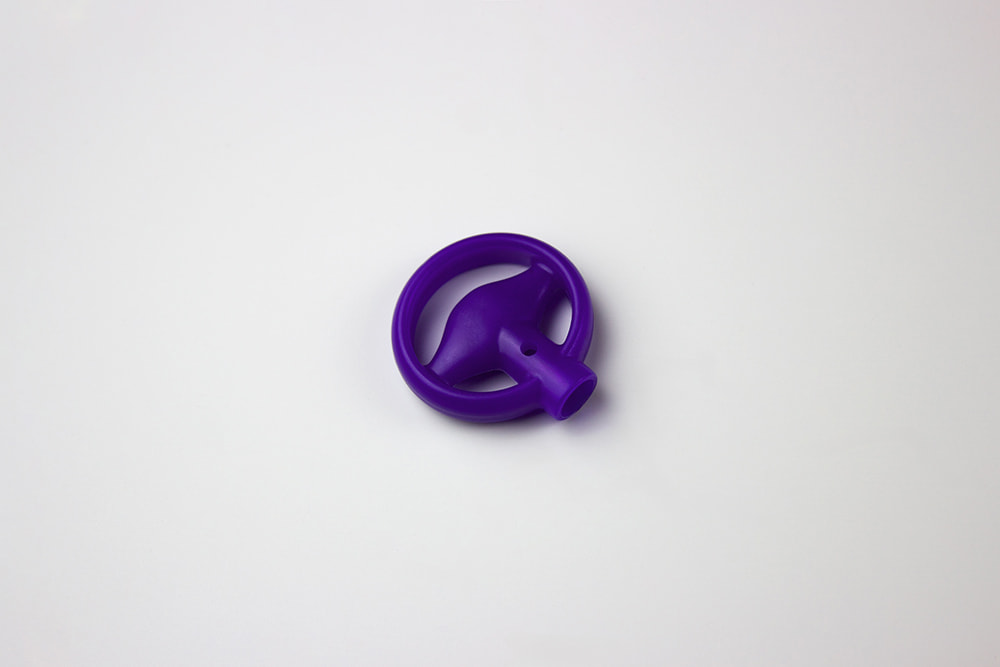
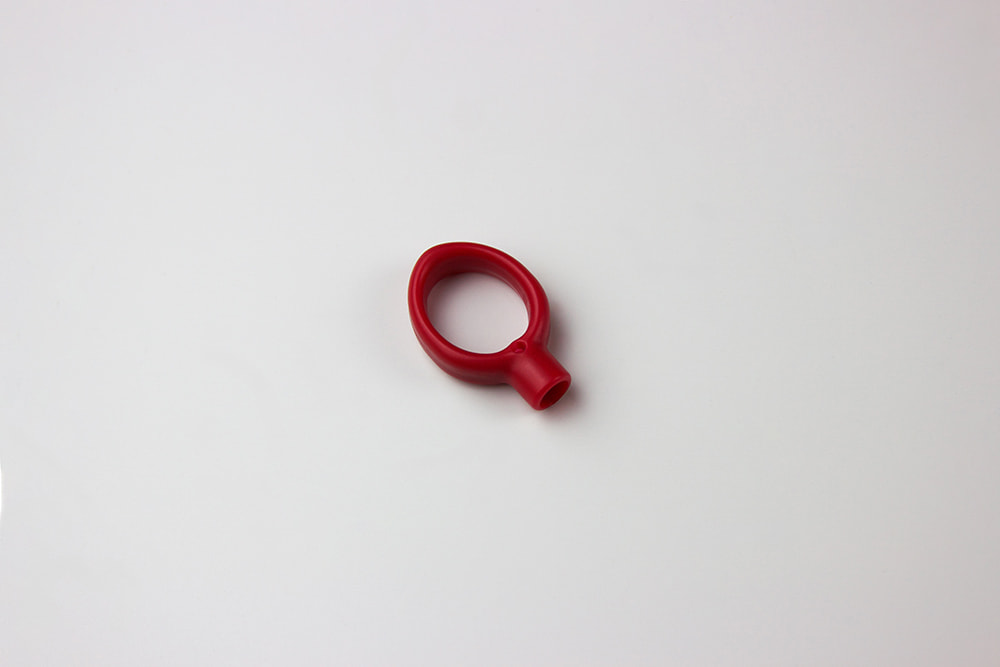
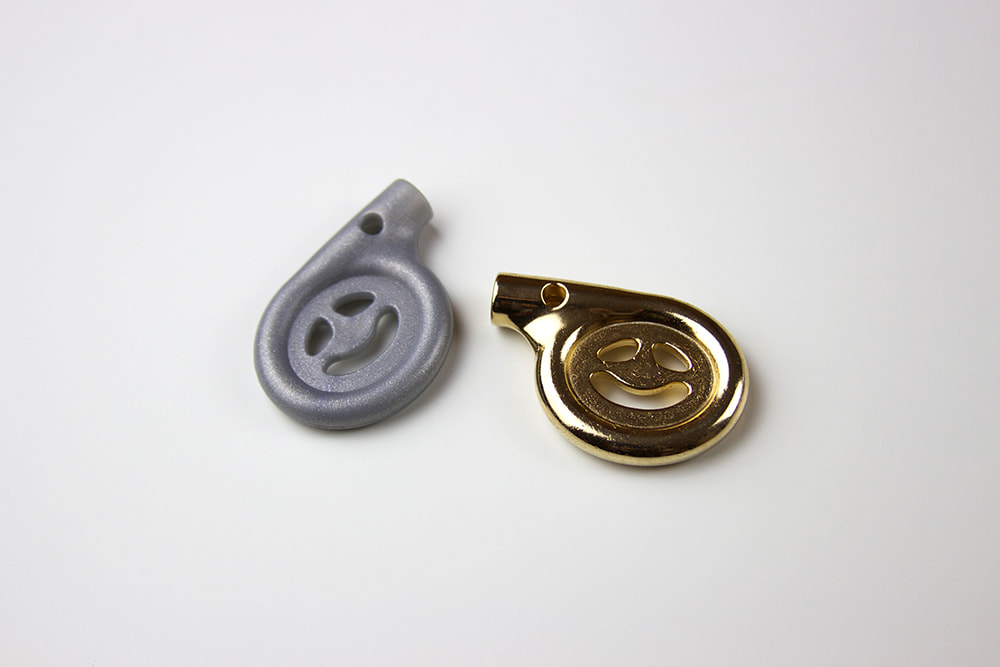
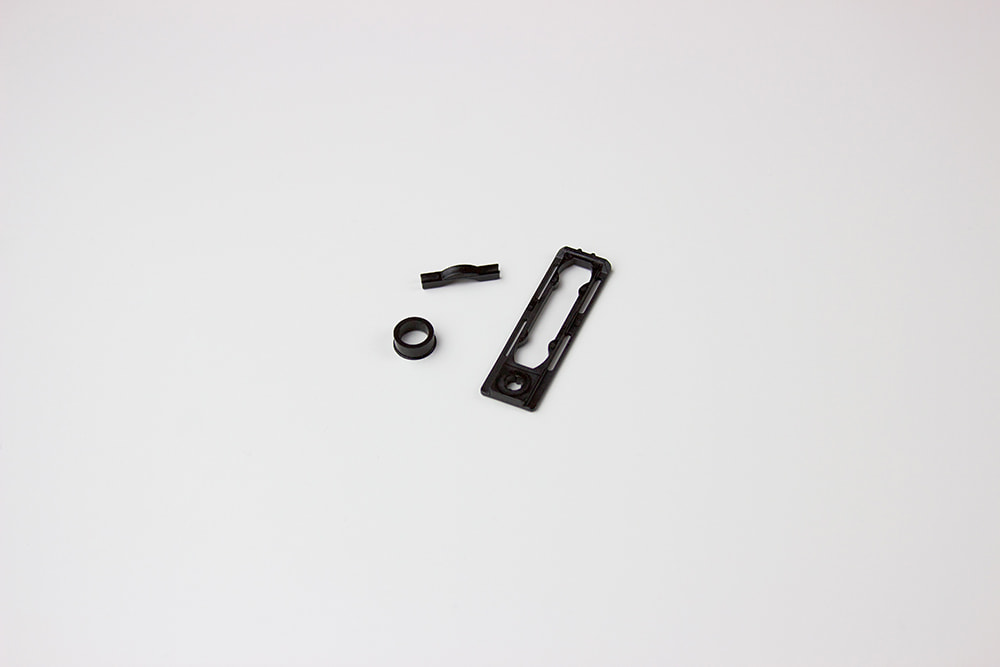
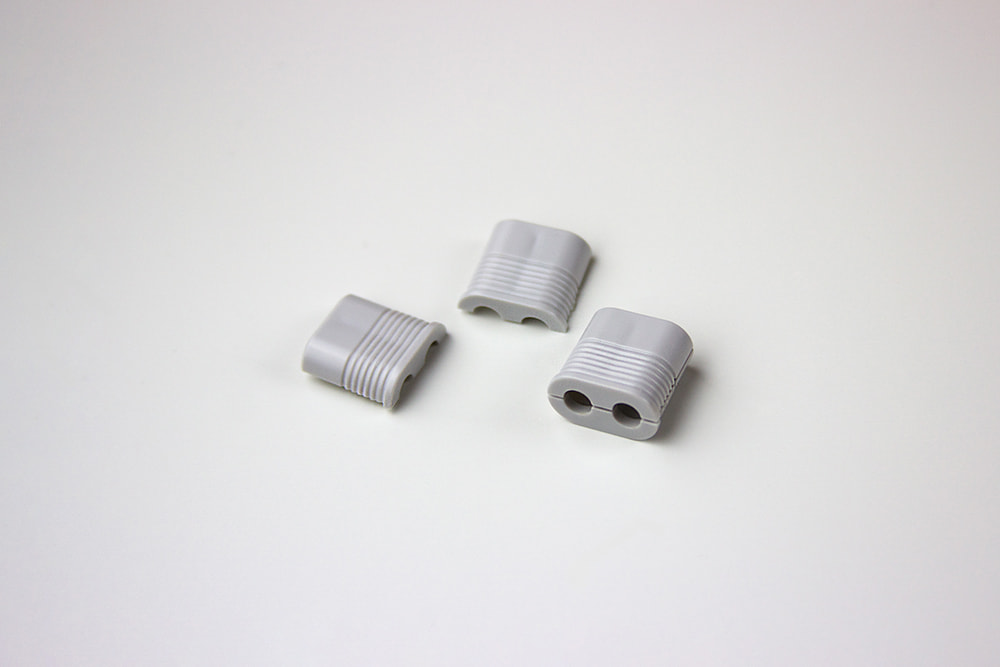
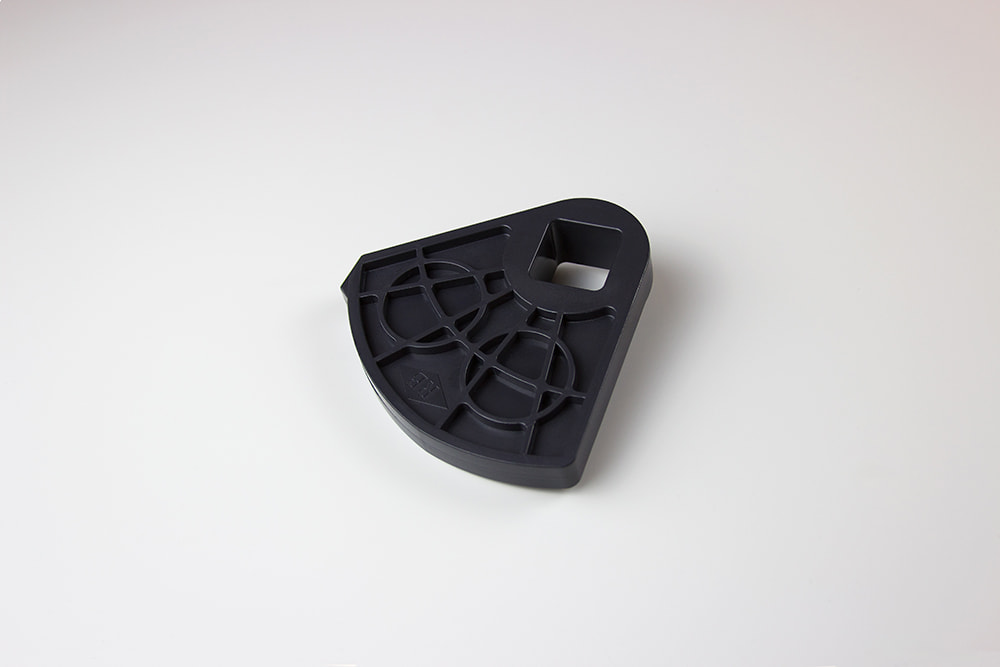
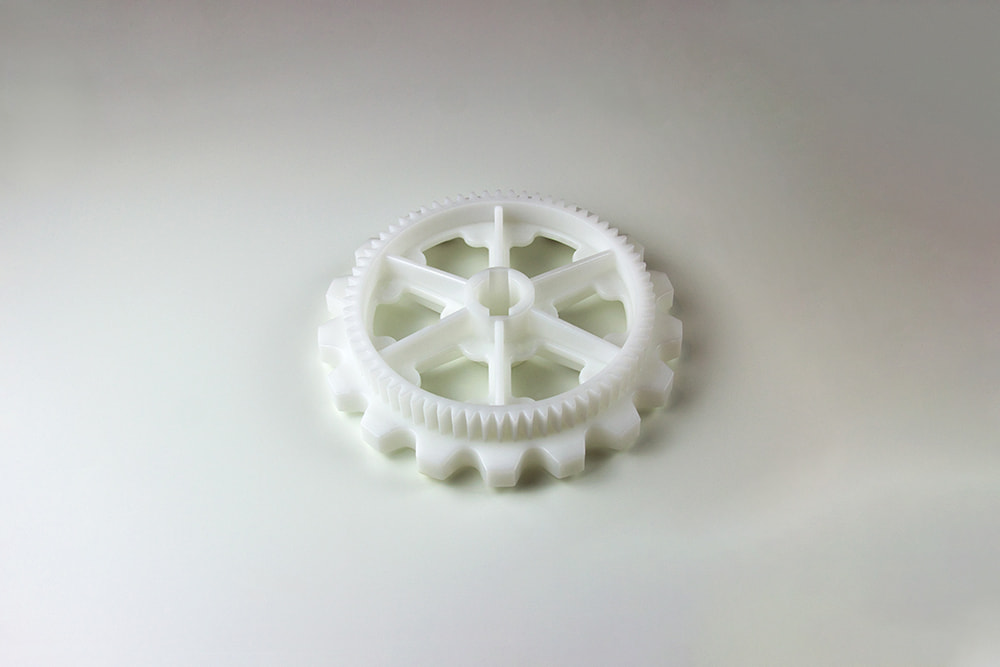
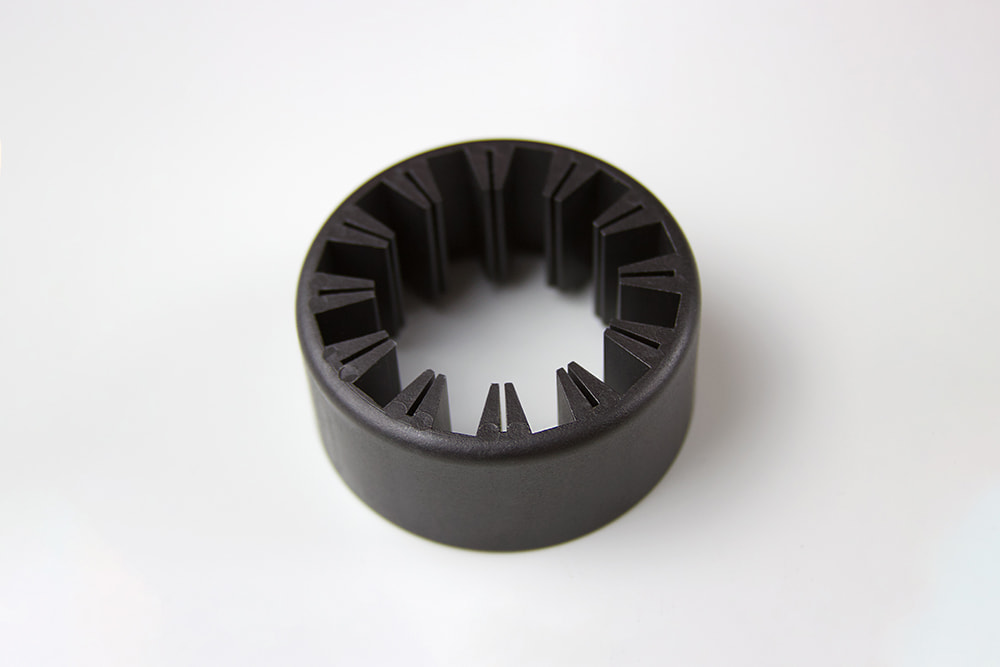
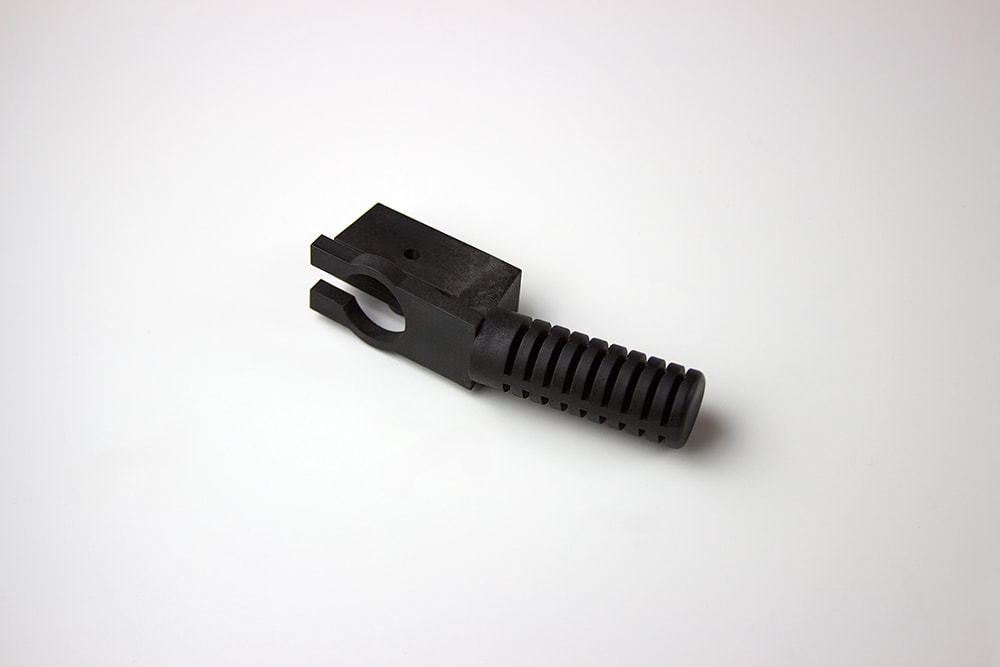
Plastic injection moulding is the most widespread technology in plastics processing. Our moulding department utilizes Negri Bossi and Toyo injection moulding machines equipped with dryers for material dehumidification. We are fully capable of producing parts of various shapes and sizes, with variable weights, including components featuring metal inserts made of steel, brass, bronze, or aluminium.
The materials used for moulding include PS, ABS, PC, PA, POM, PMMA, PC-ABS, PP, and PE, including glass-fibre reinforced grades. Among the materials we regularly process, we also handle self-extinguishing, antistatic, UV-resistant, and non-toxic polymers certified for food contact.
We manufacture highly diversified products for a wide range of sectors, including electrical, plumbing and heating, mechanical, textile, automotive, hobby, and lighting applications.
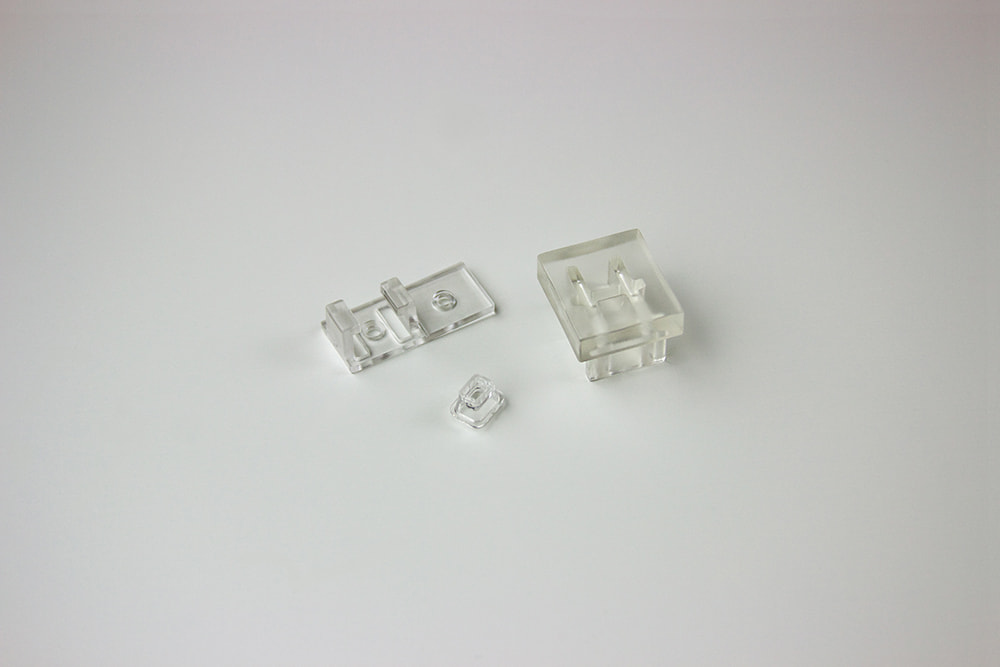
Regarding micro-moulding, in 2024, to offer an increasingly comprehensive service, we expanded our machinery fleet with the acquisition of a Babyplast machine, which is ideal for the production of components weighing from 0.1 g up to 15/20 g.
Thanks to its compact size and the high level of technology utilized during the process, high-quality items are obtained at highly competitive prices.
What are the advantages?
plastic injection moulding offers multiple benefits

Low production
costs
The injection moulding process is highly automated, which leads to greater production efficiency and a significant reduction in labour costs.

High
productivity
Since the manufacturing cycle is relatively short, large quantities of parts can be obtained in a short timeframe, guaranteeing excellent dimensional repeatability.

Overmoulding with
metal inserts
The overmoulding of metal inserts is a production process that enables cost reduction and the optimization of production times. With this technique, a metal insert, such as a steel bar, shaft, or bearing, is placed into the mould before the molten plastic material is injected.

Ability to produce
extremely small parts
Thanks to injection micro-moulding, we can produce components with extremely reduced dimensions and very fine details, even when dealing with highly complex structures.

Use of diverse plastic
materials in various colors
A wide range of materials and colors is available, allowing for the creation of plastic components with specific properties and characteristics tailored to the final application you wish to obtain.

Production of parts
with complex geometries
Injection moulding enables the creation of components with extremely tight tolerances and consistent dimensions. Intricate geometries and complex shapes can be produced with remarkable precision.

Reduced
material waste
Injection moulding generates very little waste, as any unused materials can be collected and recycled.
How does
njection moulding
work?
The plastic material to be processed is the fundamental component which, following any necessary drying or dehumidification pre-treatment, is drawn through a feeding system into the plasticizing cylinder.
Inside the cylinder is a screw that rotates and moves axially via hydraulic pistons, creating friction. Combined with the thermal input generated by the electrical heating bands located on the plasticizing cylinder, this friction causes the material to melt. After the material has reached the required viscosity, it is injected at a specific speed into the mould during the injection or filling phase, passing through appropriate runners and filling the cavity, which represents the negative shape of the part.
Once the cavity is filled, the holding phase begins. Following the subsequent decrease in temperature, the solidification of the part starts and continues until final cooling and ejection.