

Salta al contenuto principale

Zamak Die Casting

Specialists in zinc component manufacturing

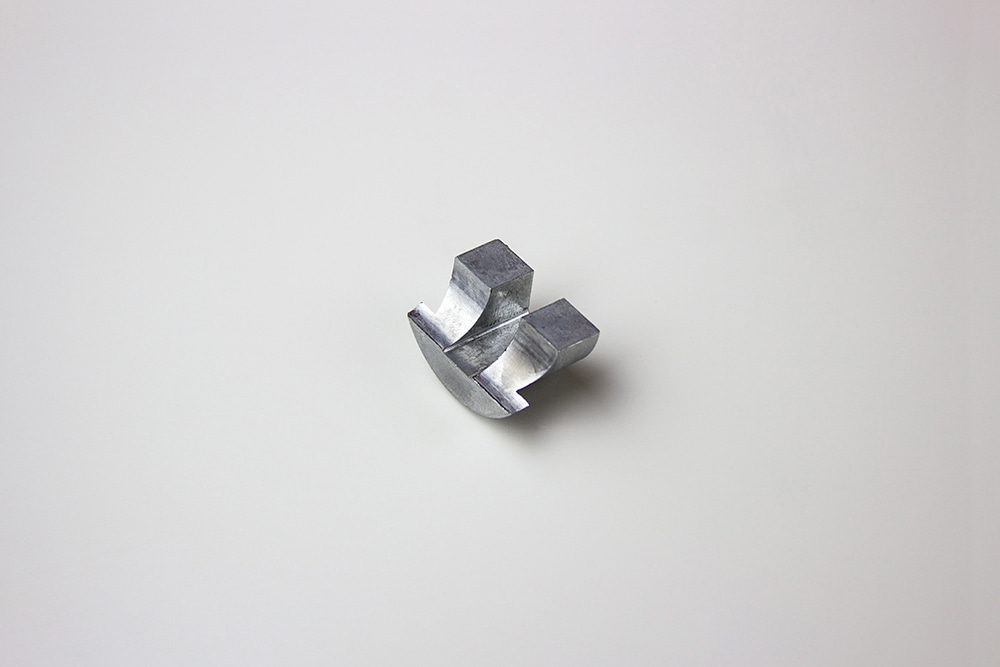
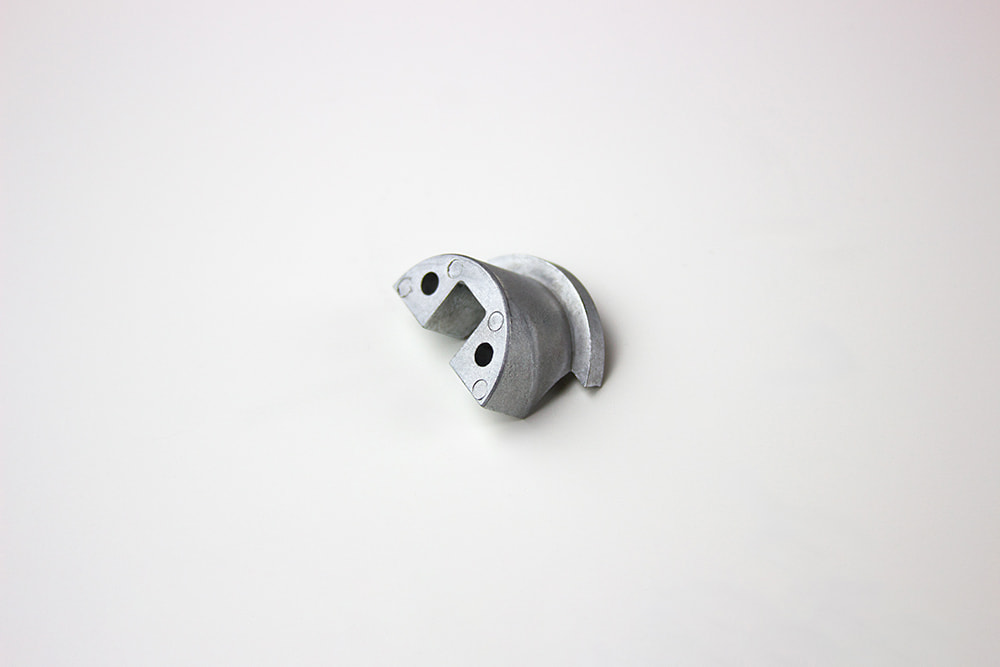
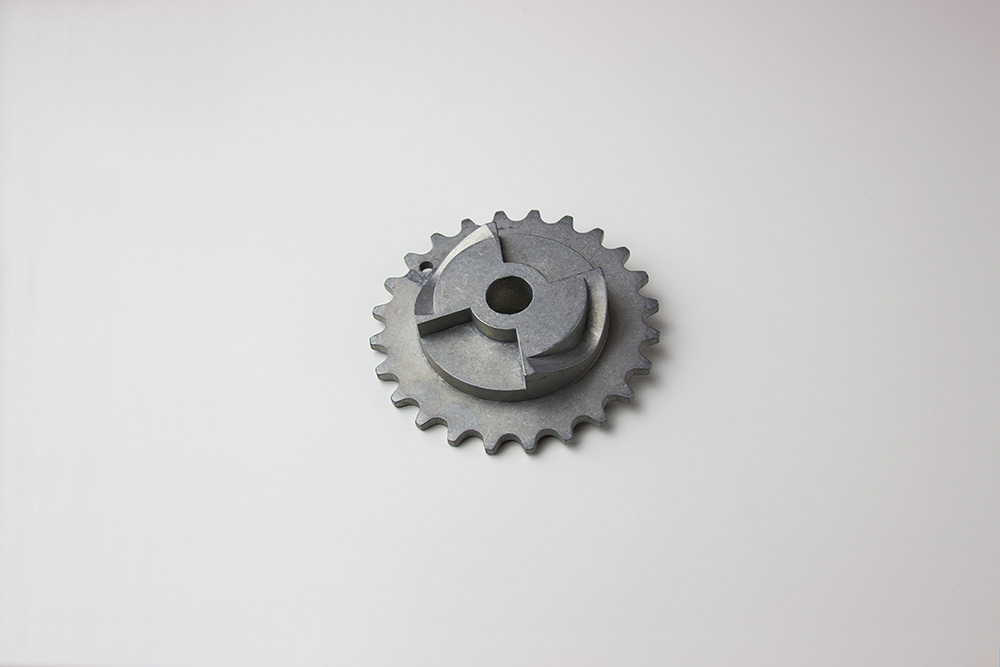
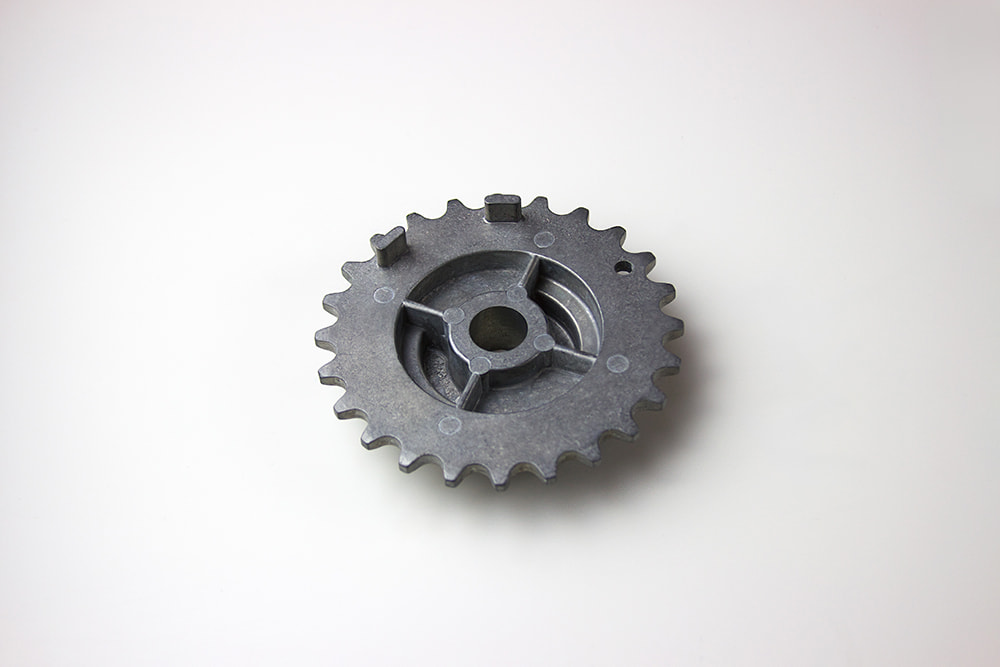
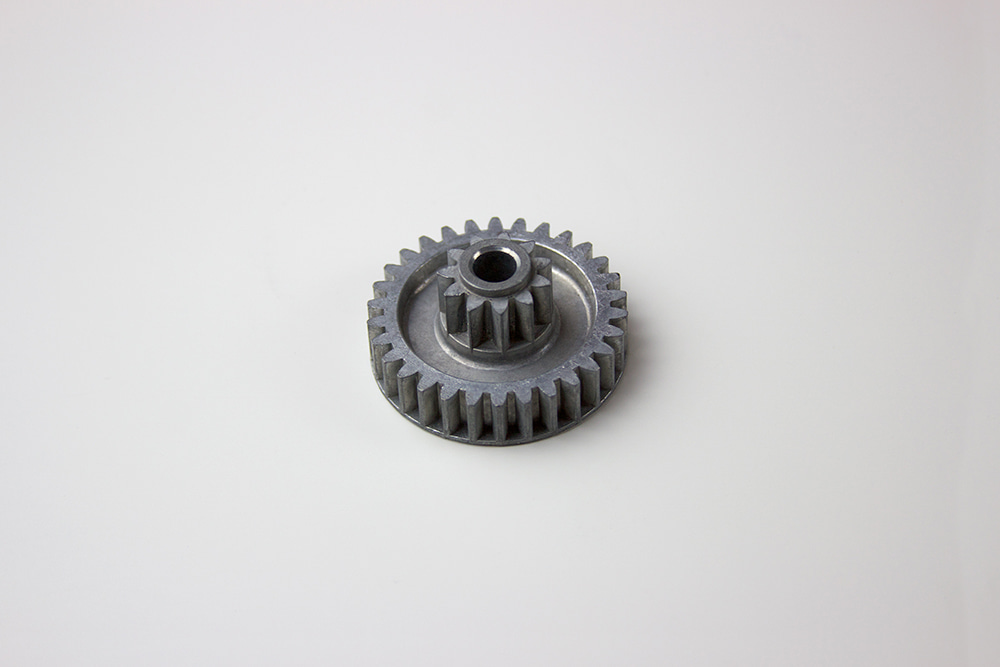
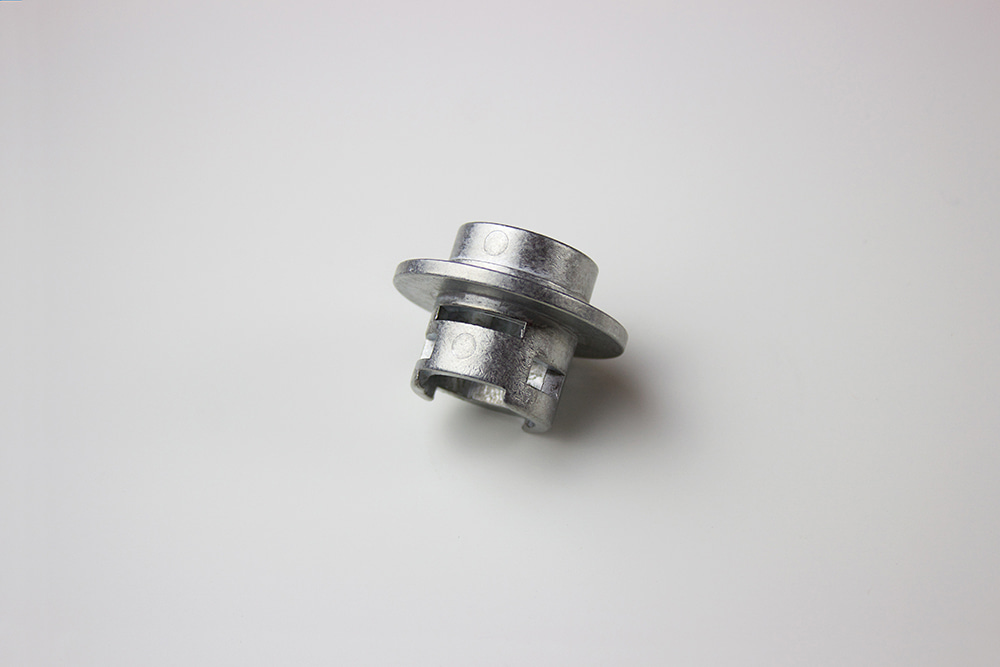
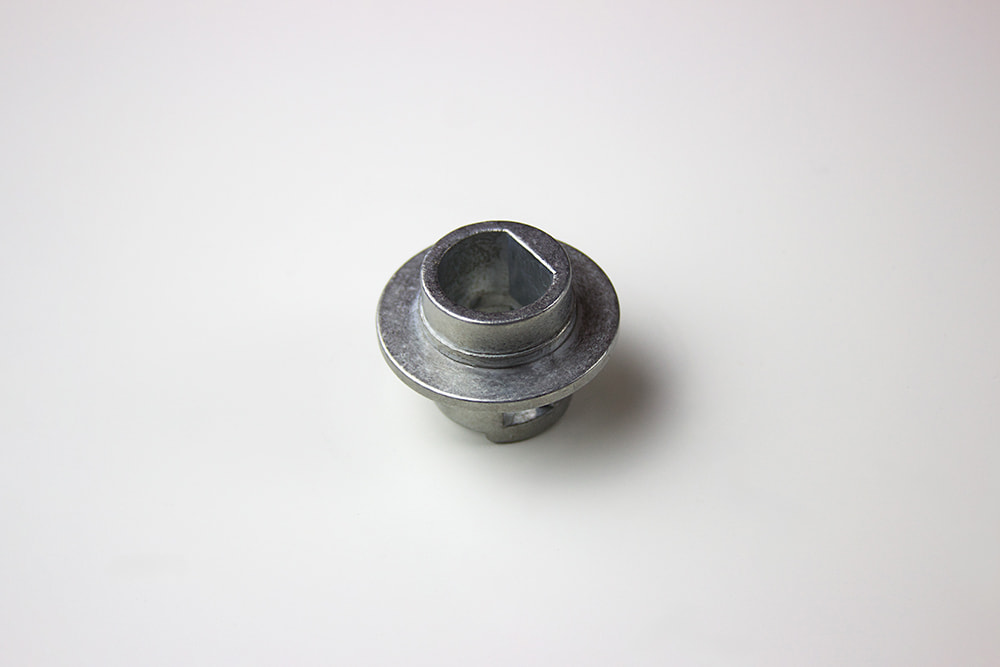
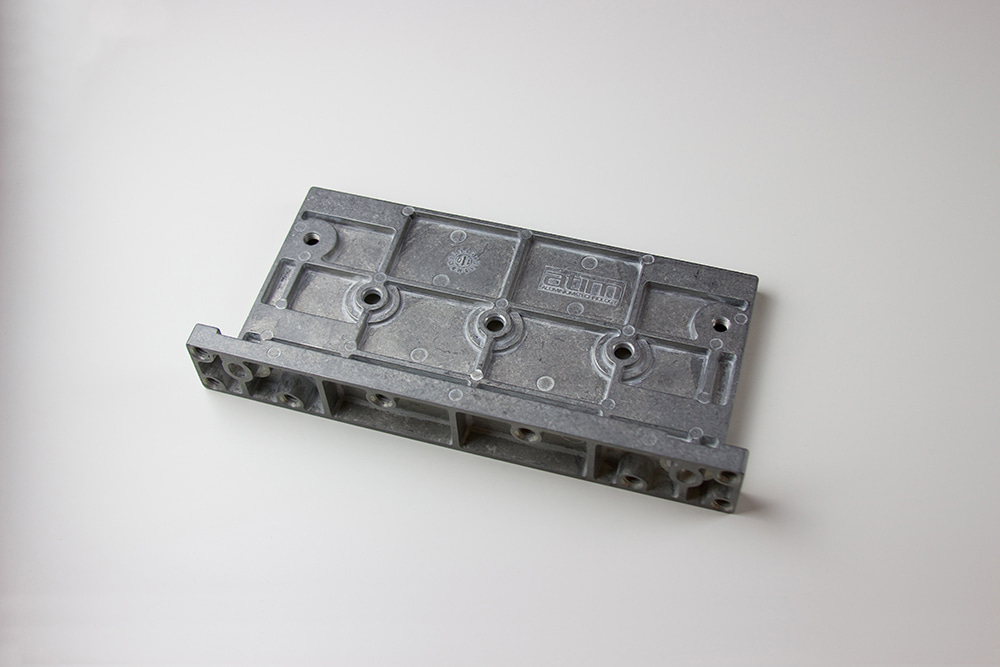
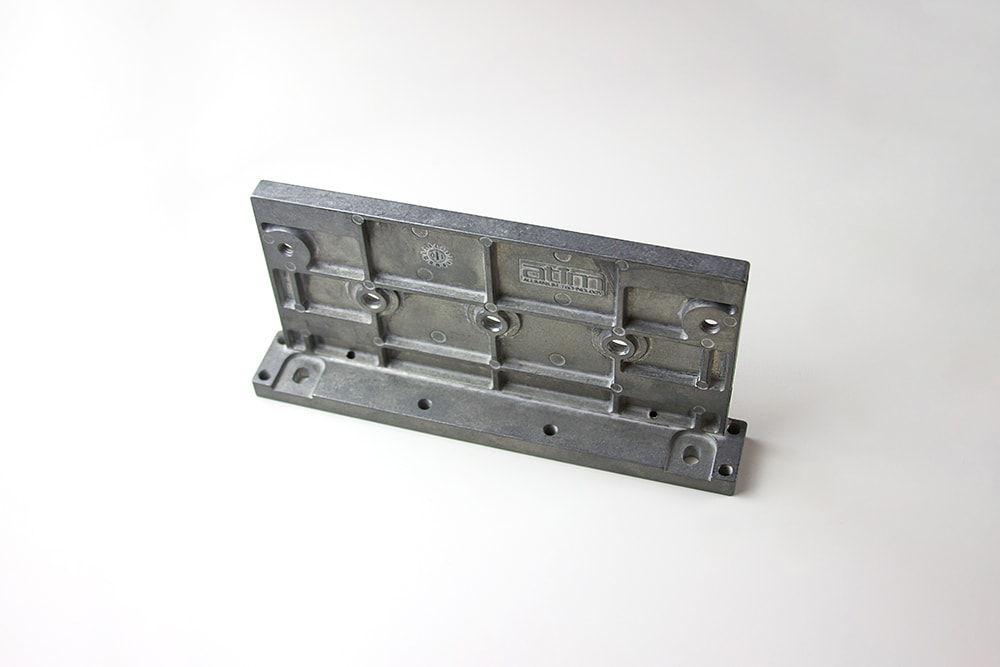
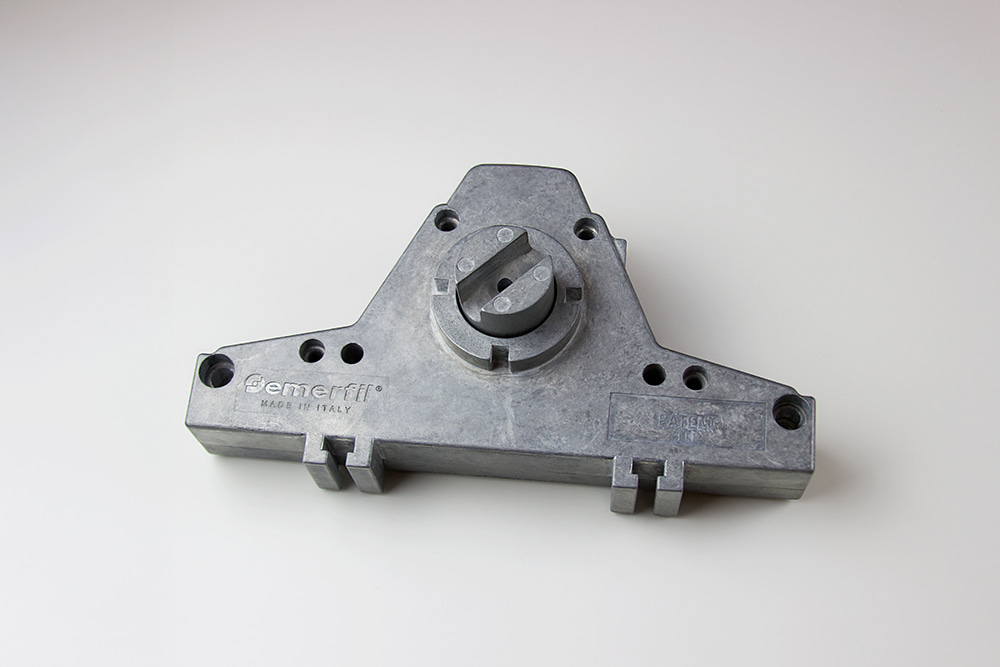
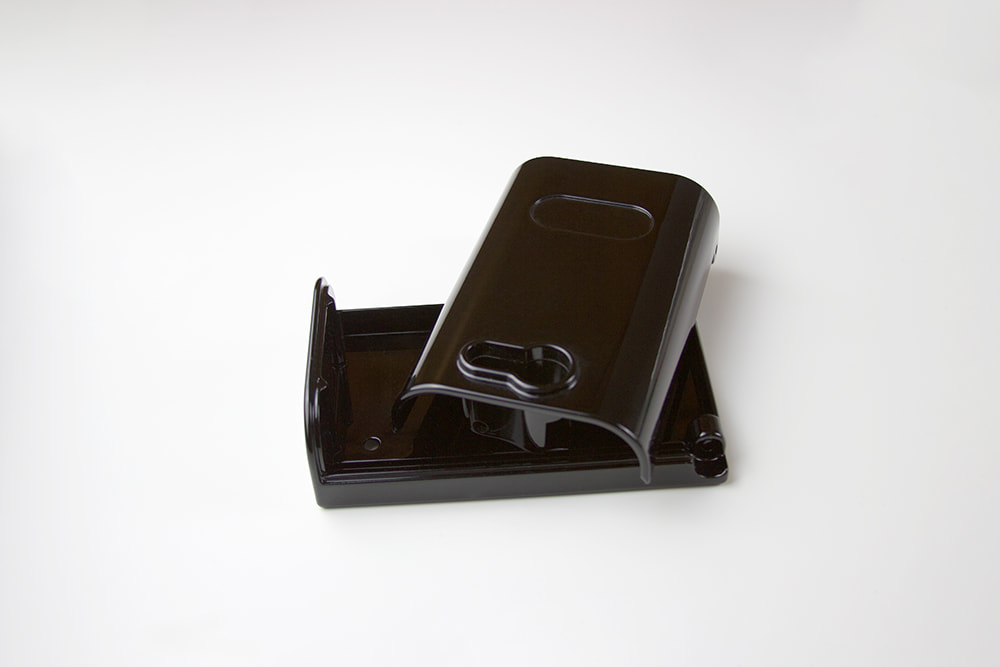
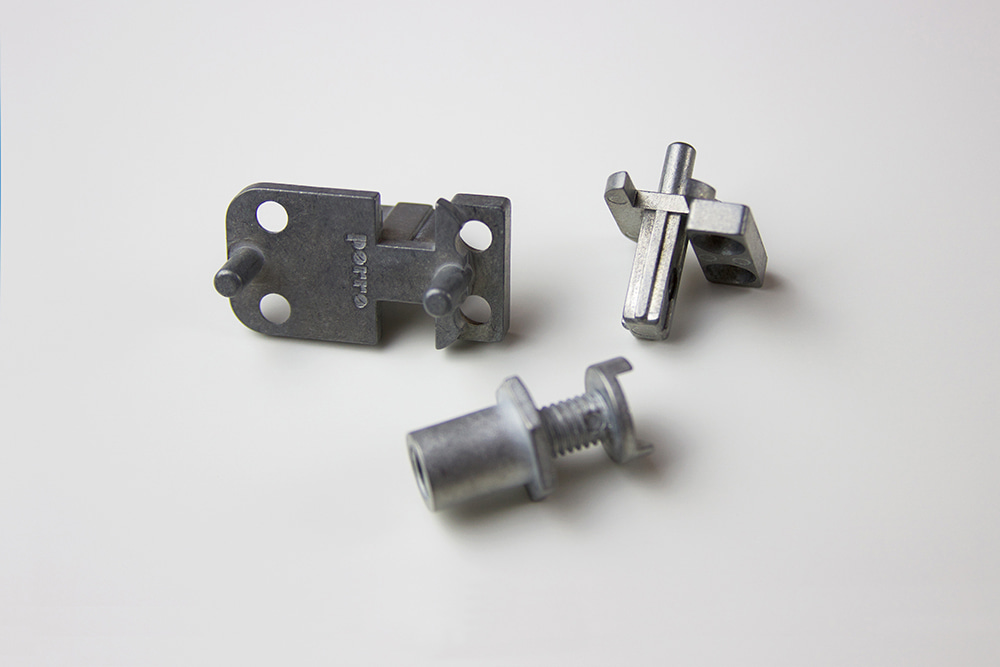
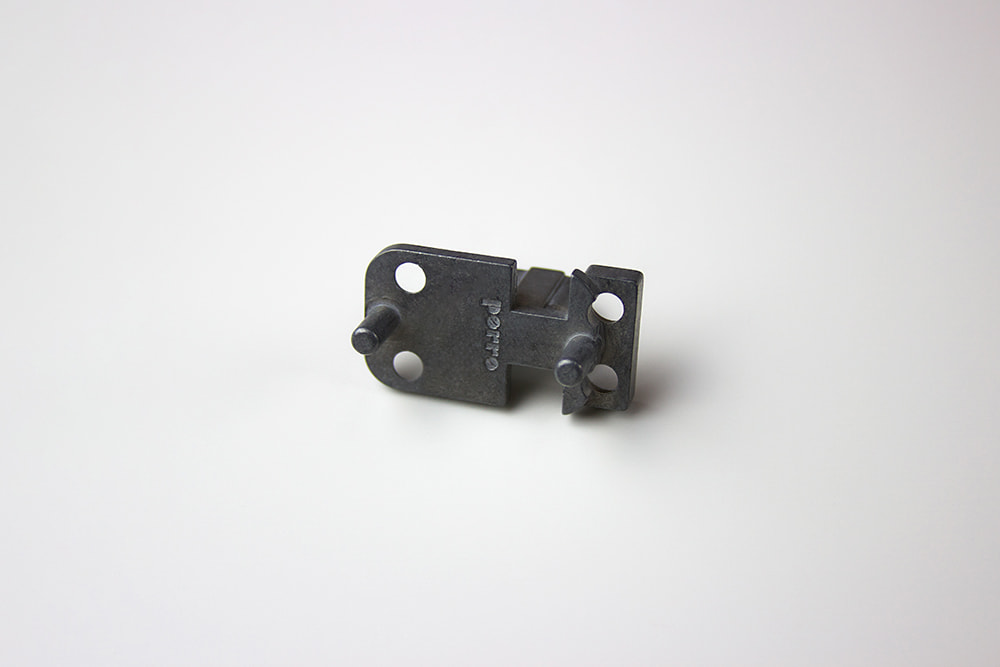
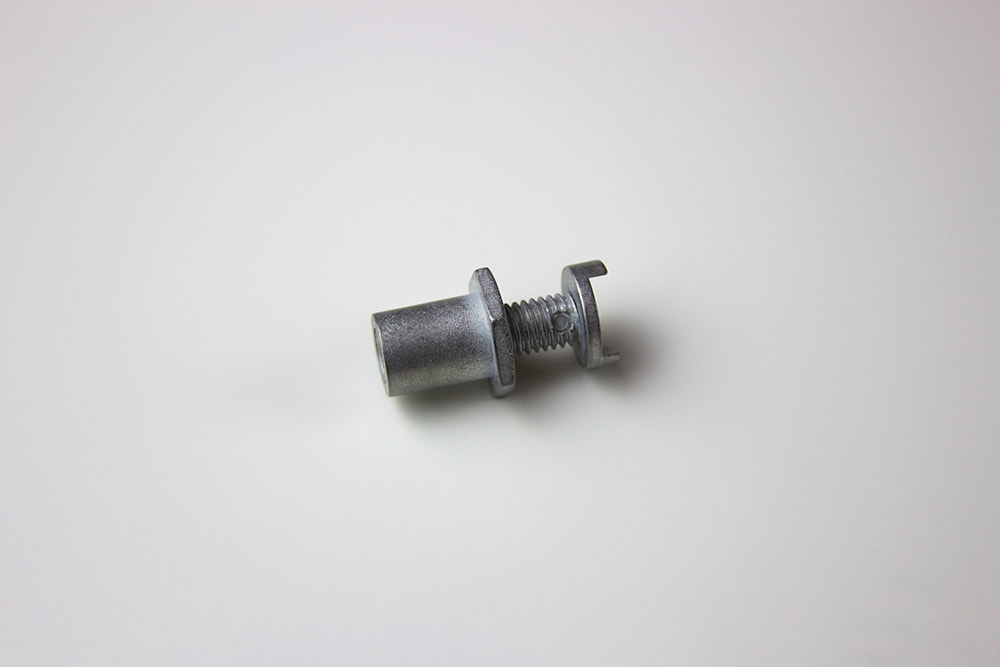
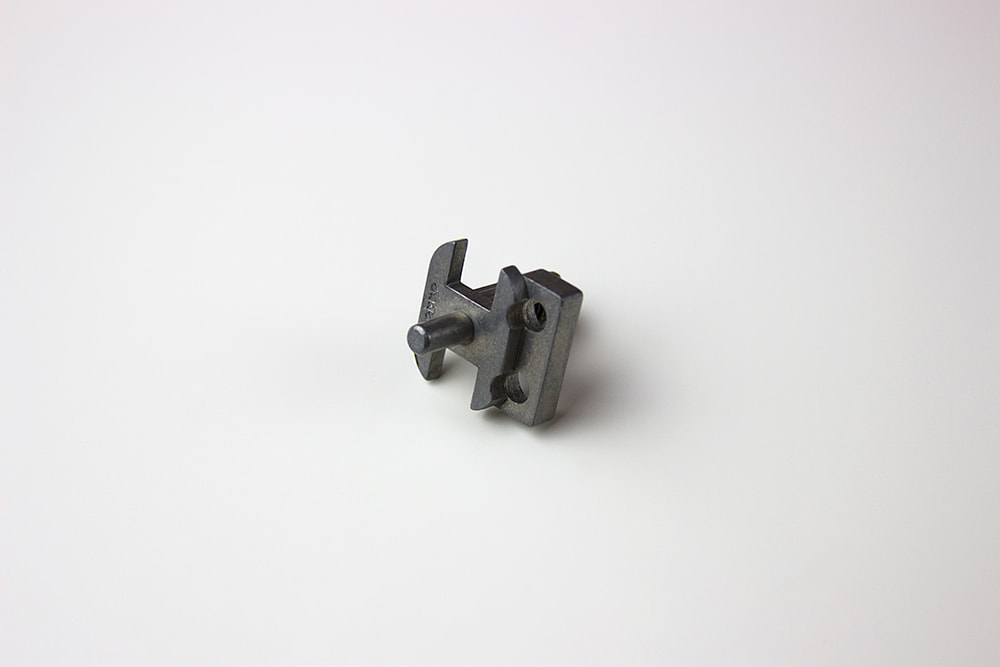
Zamak die casting enables the cost-effective production of parts and components featuring highly precise contours, excellent durability, and consistently uniform quality, across both small and large production runs.

ur machinery fleet consists of small and medium-tonnage hot chamber die casting presses from leading brands such as Agrati, Frech, and Colosio, allowing us to manufacture components weighing from 1 mg up to 3 kg.

What are the advantages?

zamak die casting offers numerous benefits

High Casting
Precision

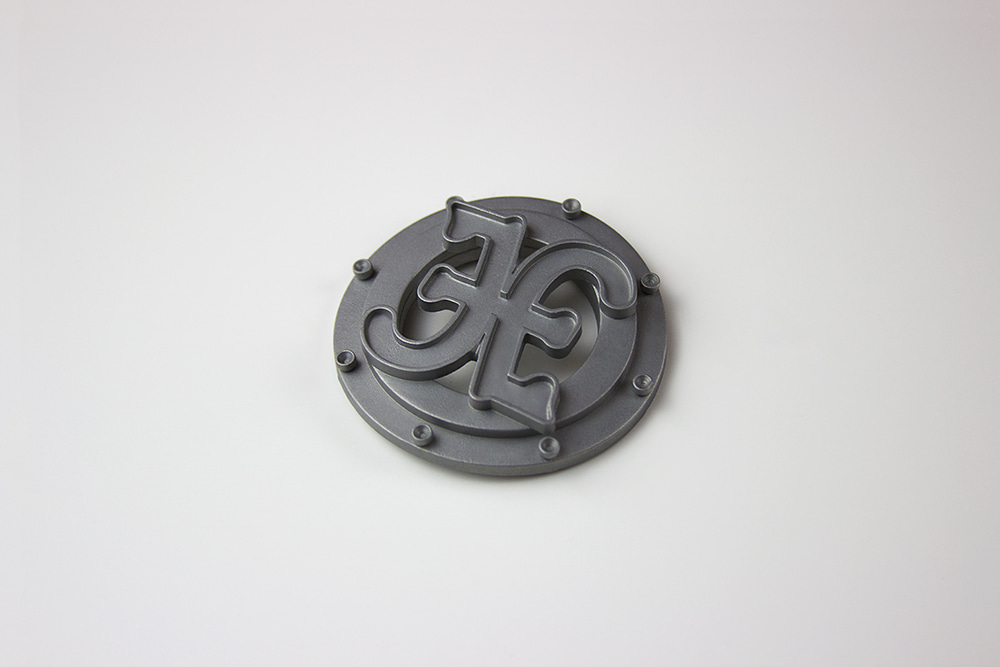
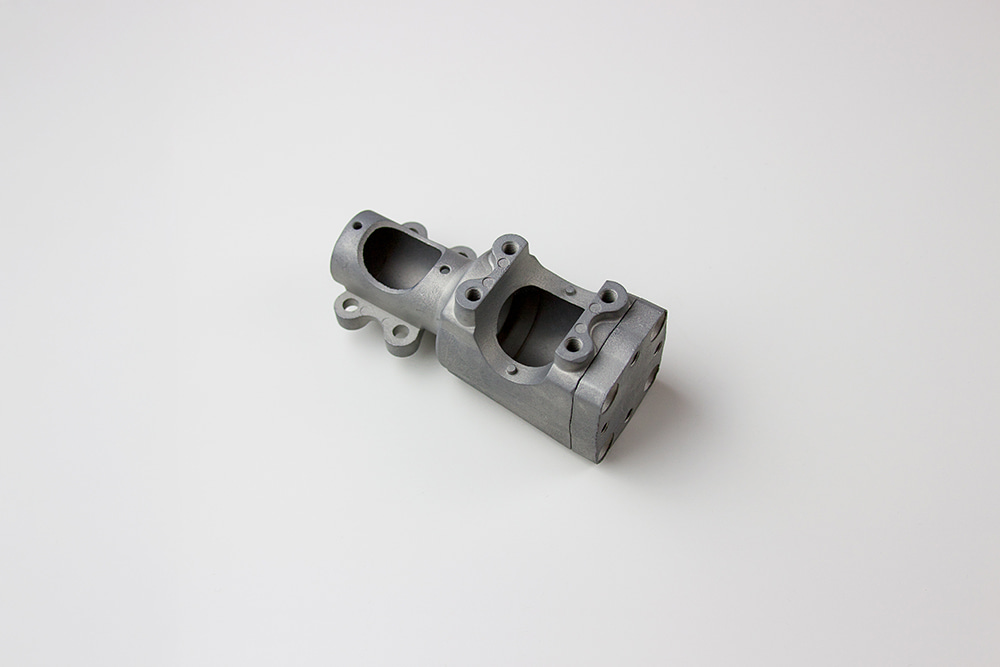
The characteristic ductility of Zamak, combined with its robust strength, allows for the creation of high-precision products with complex geometries, ultra-thin walls, and exceptional detail. This ensures outstanding design flexibility and versatility across various industrial applications.

Eco-Friendly
Production Cycle

As a zinc alloy, Zamak does not release polluting substances into the air or the environment during processing. Furthermore, its relatively low melting point of around 410–420°C contributes to significant corporate energy savings

Resistance to Impact,
Wear, and Corrosion

Zamak provides greater impact and wear resistance compared to parts made from alternative alloys or plastics, boasting a structural hardness comparable to cast iron or brass. Its inherent corrosion resistance, which is excellent on its own, can be further enhanced through electroplating finishes such as zinc plating, chrome plating, nickel plating, or satin finishing.

Component
Weight Flexibility

Zamak die casting allows for the seamless production of components ranging in weight from just a few milligrams to several kilograms.

Finishing
Versatility

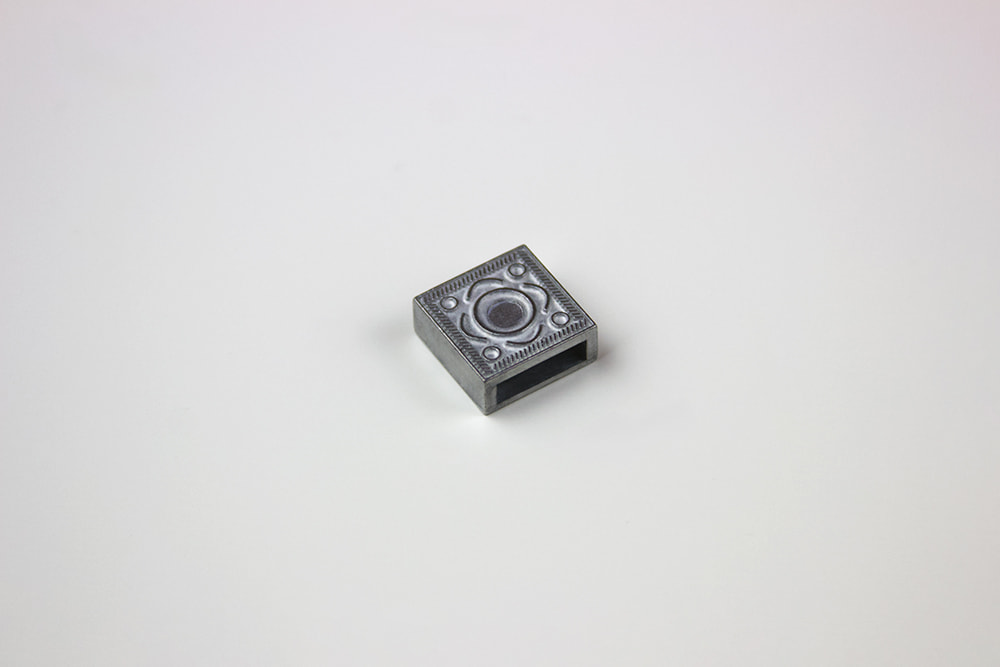
The high precision of Zamak die-cast parts simplifies subsequent decorative and protective processes, including coating, satin finishing, polishing, as well as chrome, silver, or gold plating.

Manufacturing
Cost Savings

Components manufactured via Zamak die casting are significantly more cost-effective compared to those produced using other metal alloys.

What types of
components can
be manufactured
using Zamak?

Thanks to its ease of use, fast cycle times, and low melting temperature, Zamak alloys are increasingly preferred over other metals across a variety of manufacturing sectors.

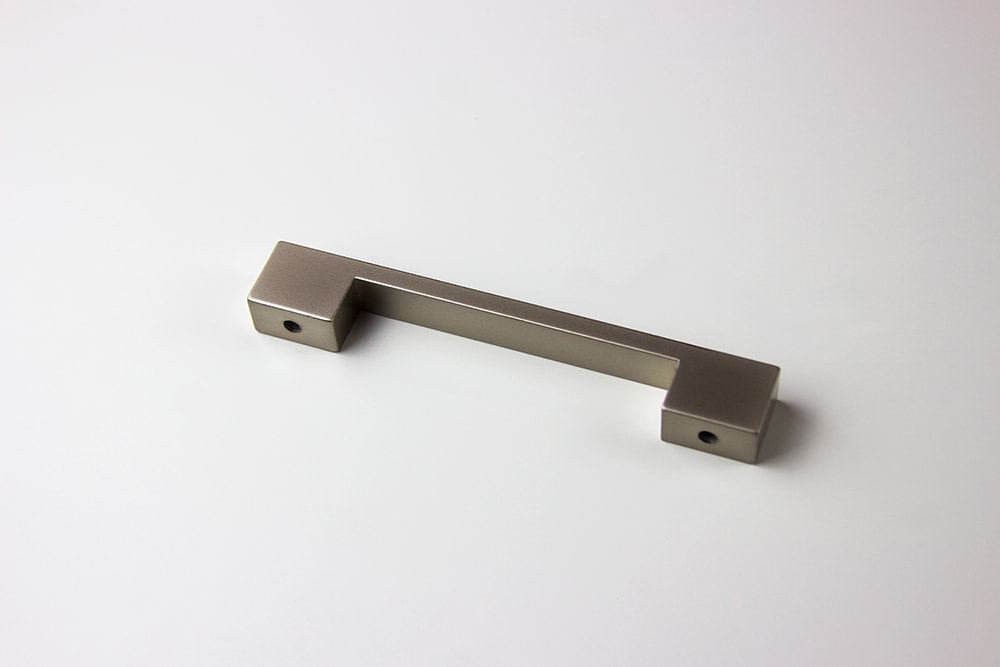
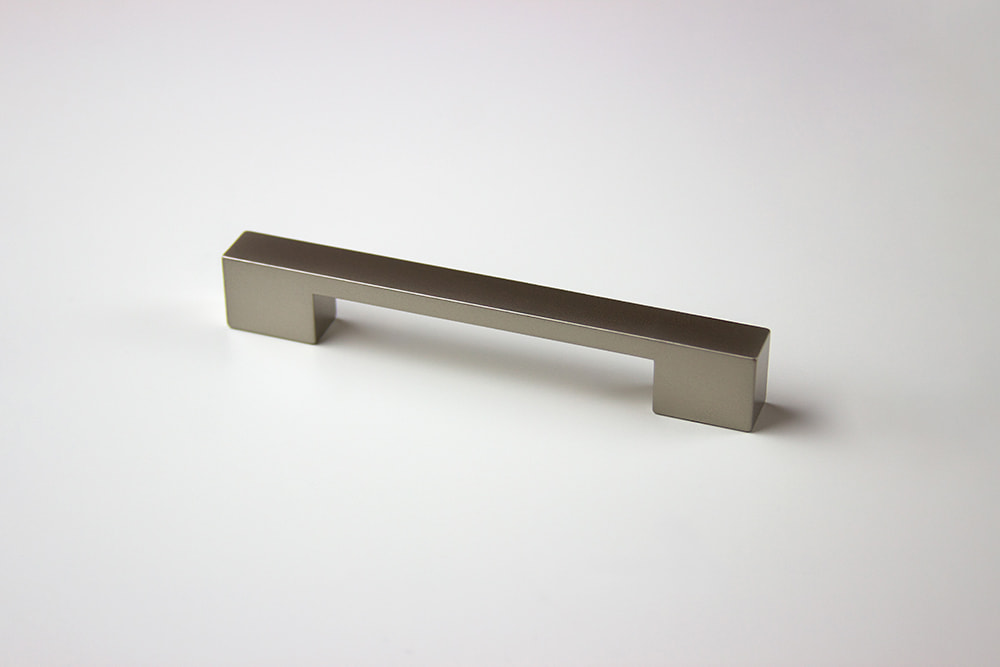
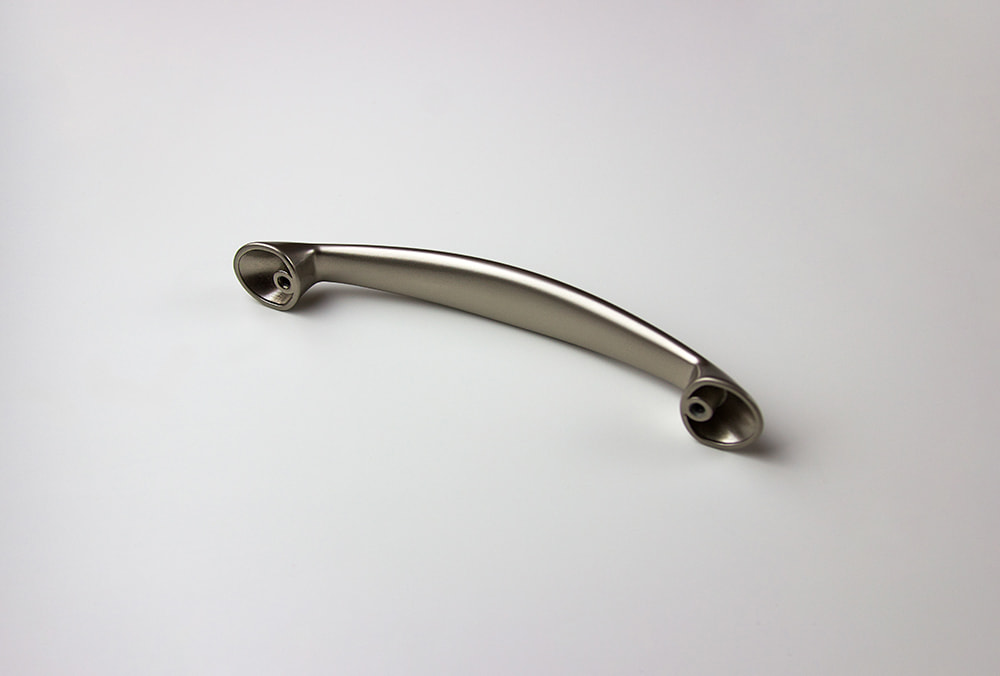
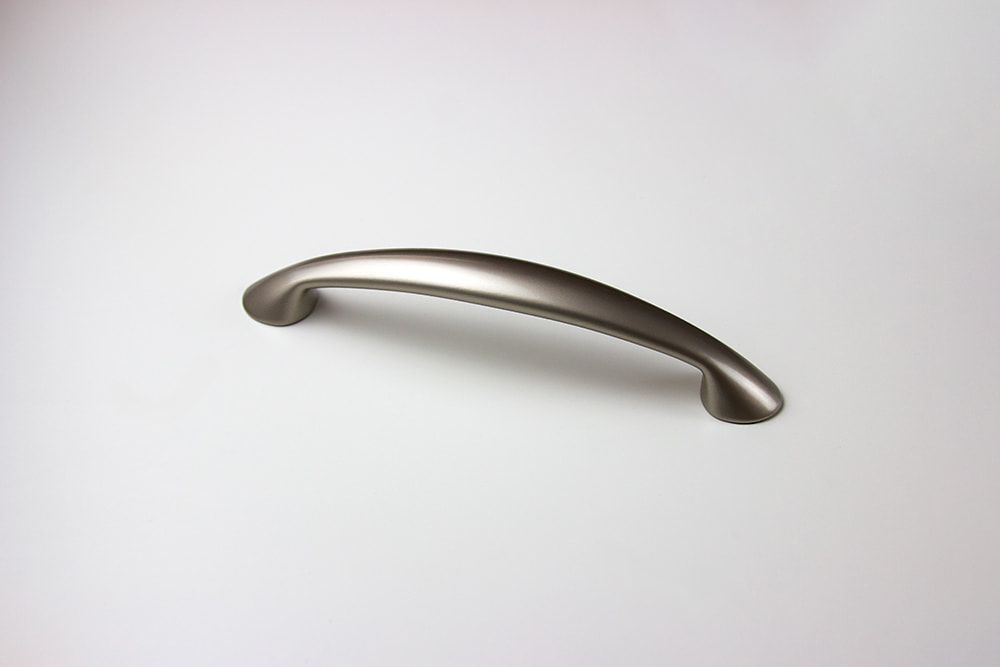
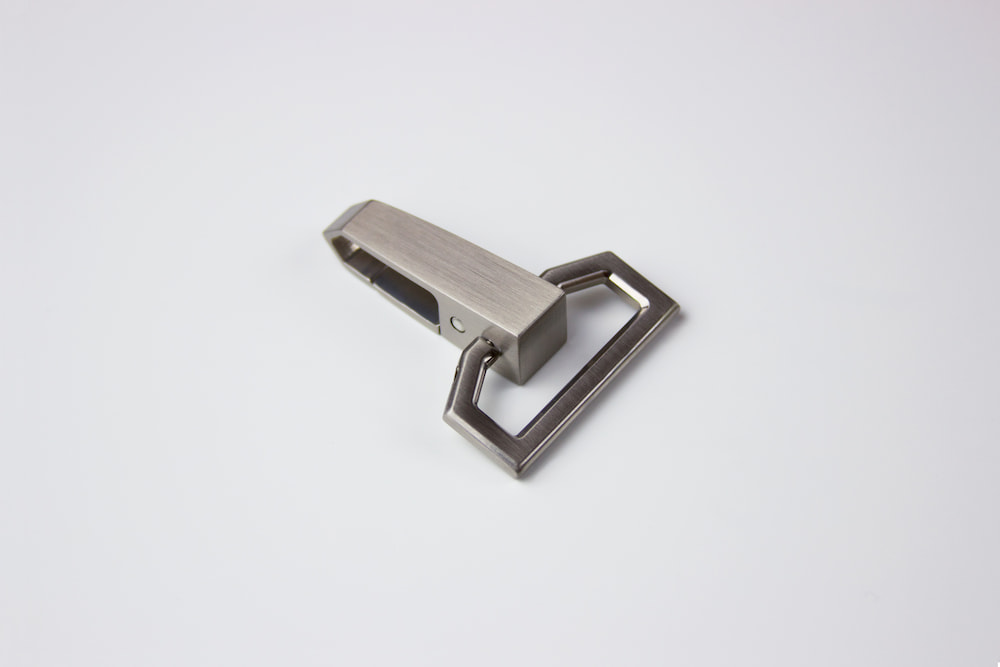
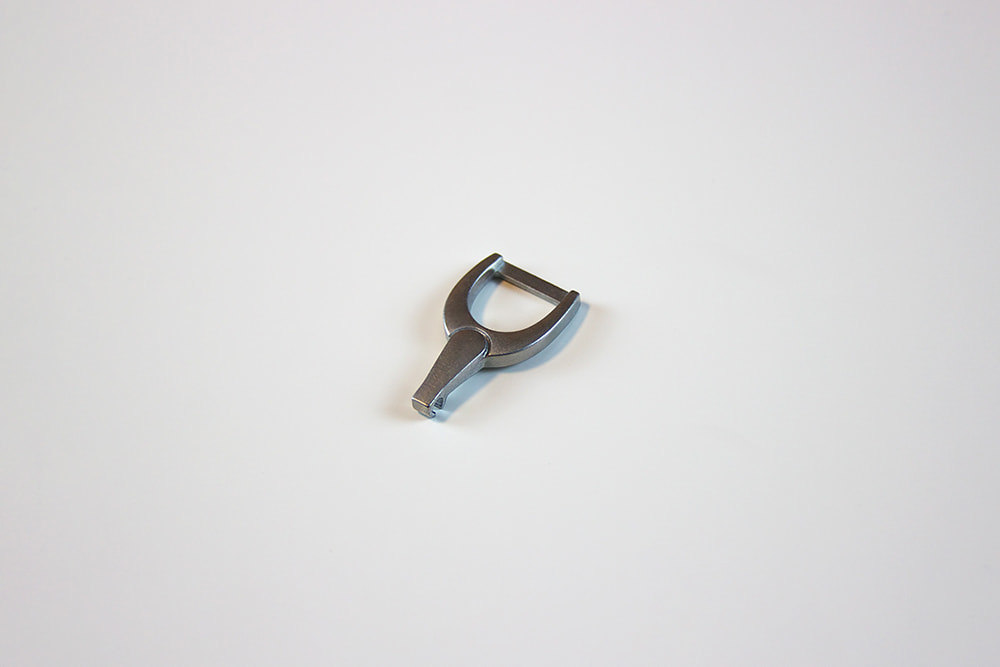
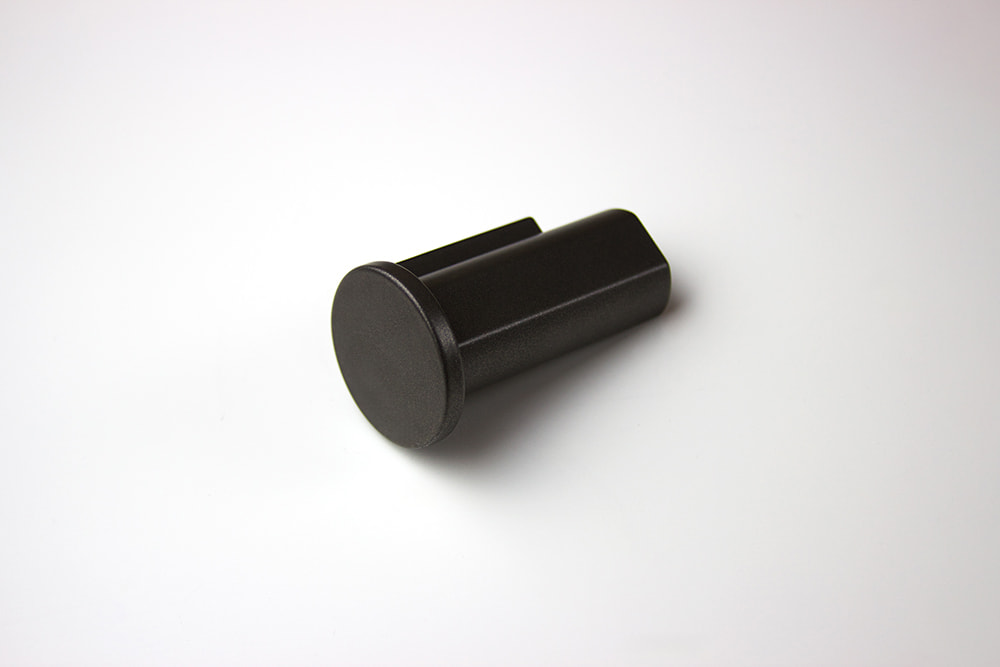
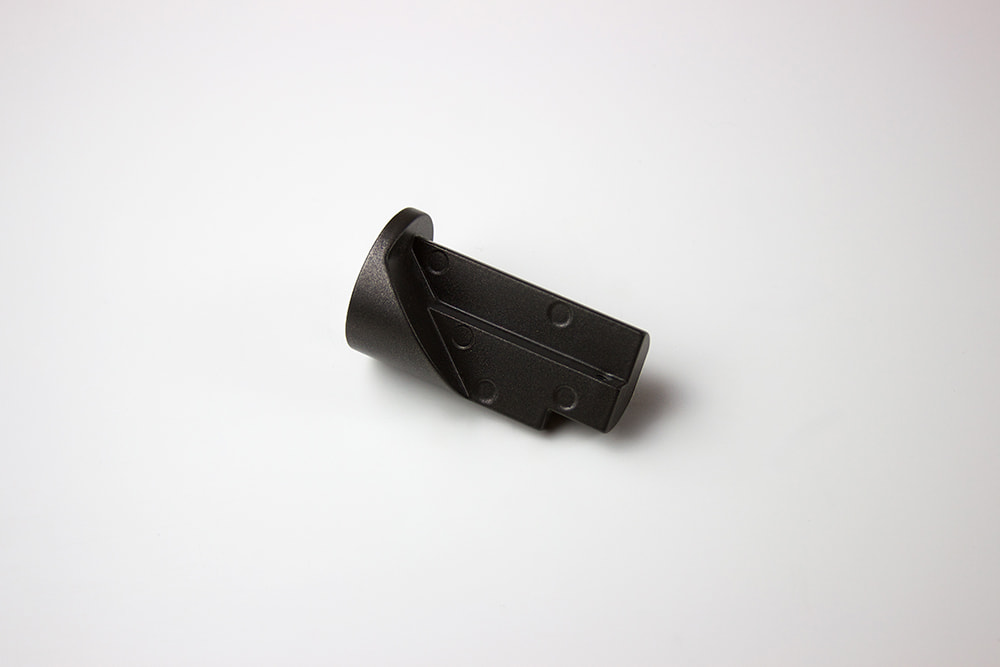
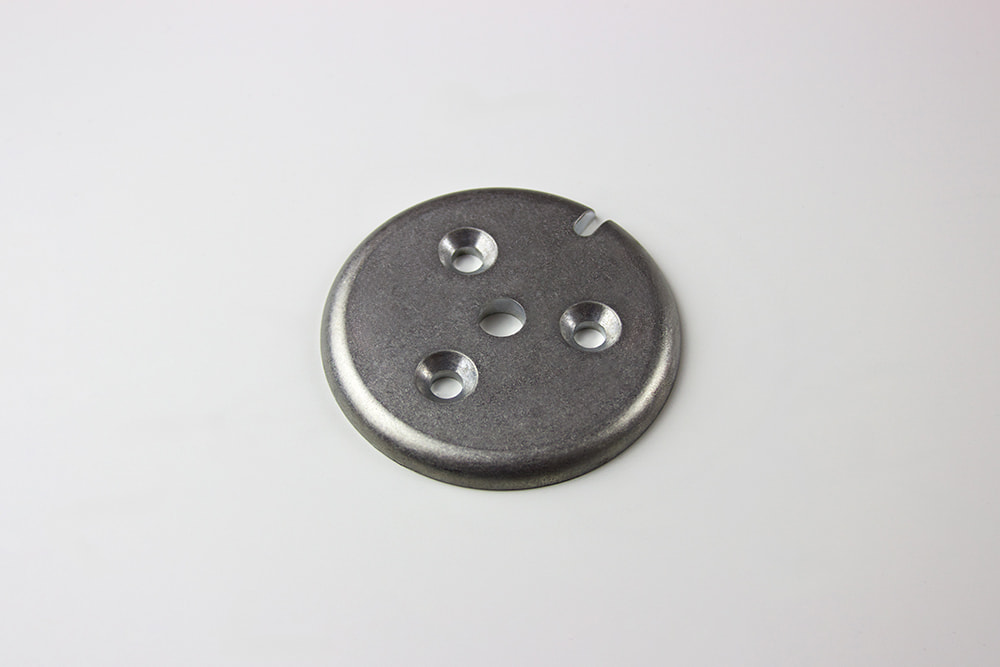
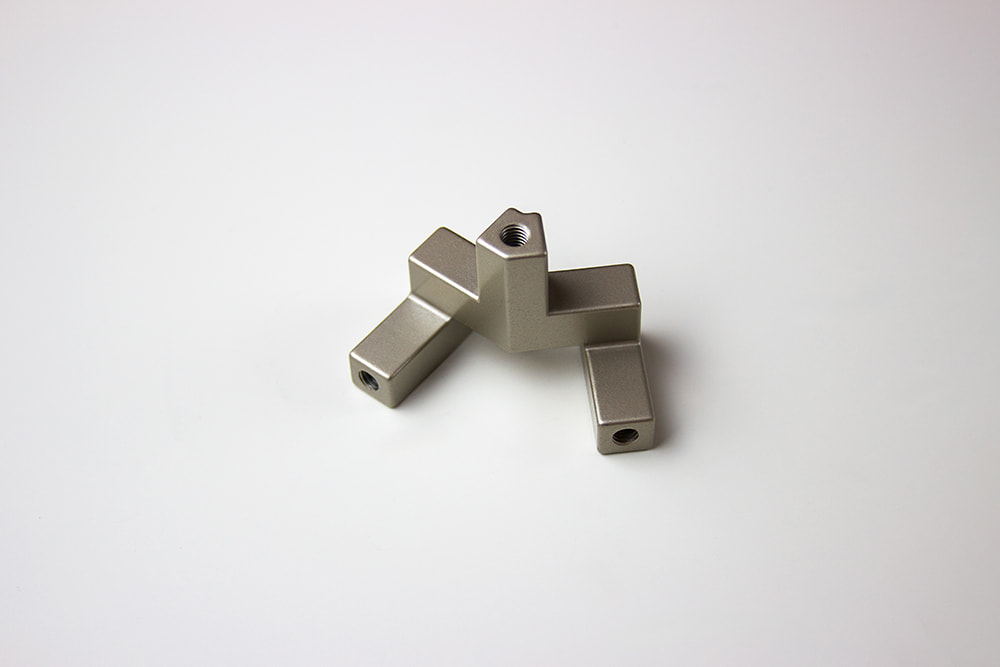
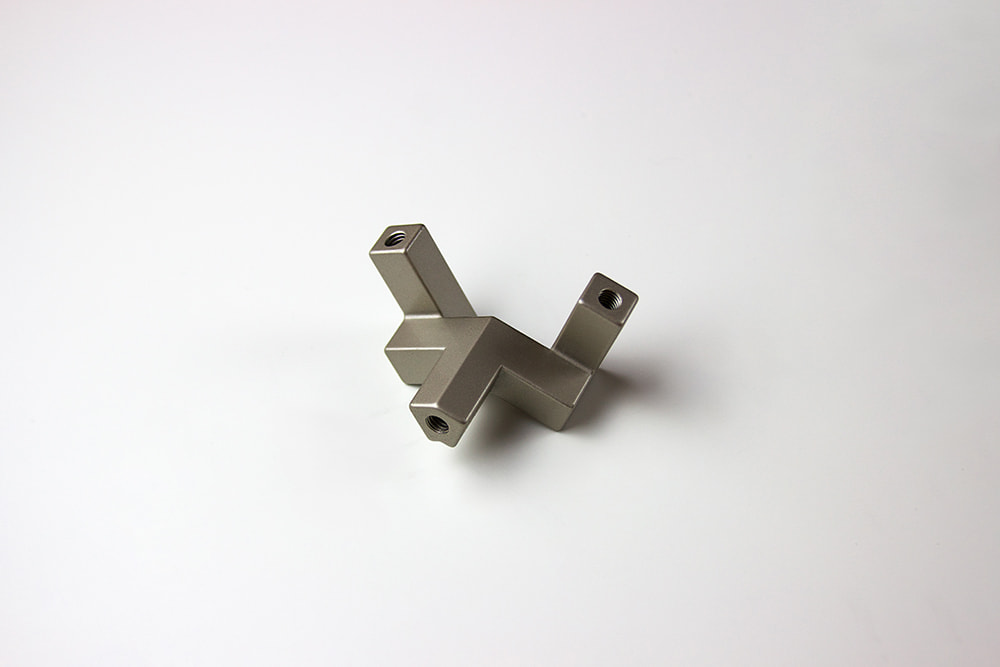
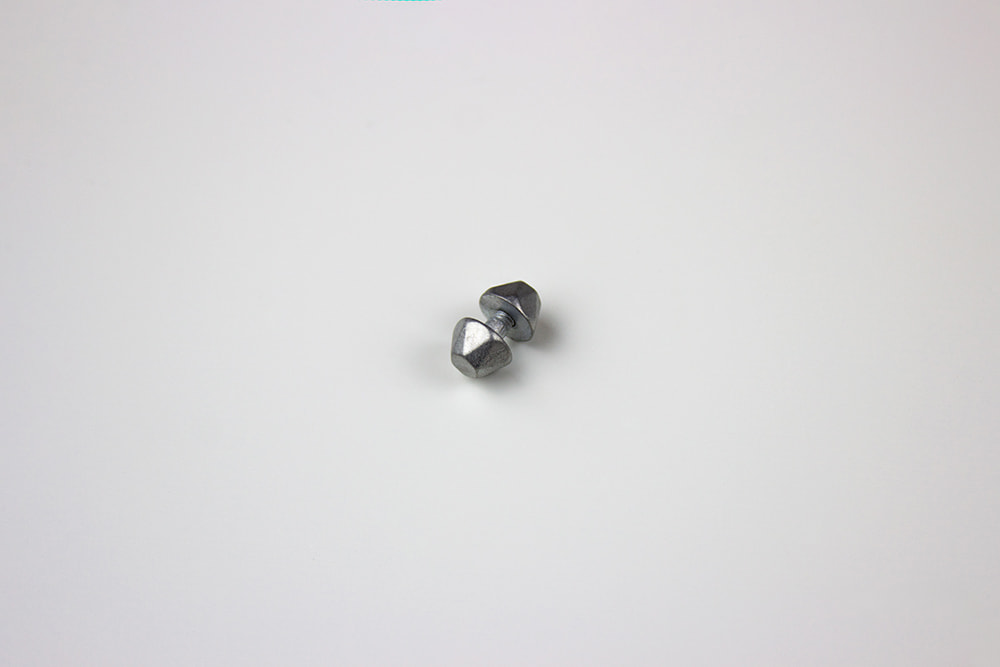
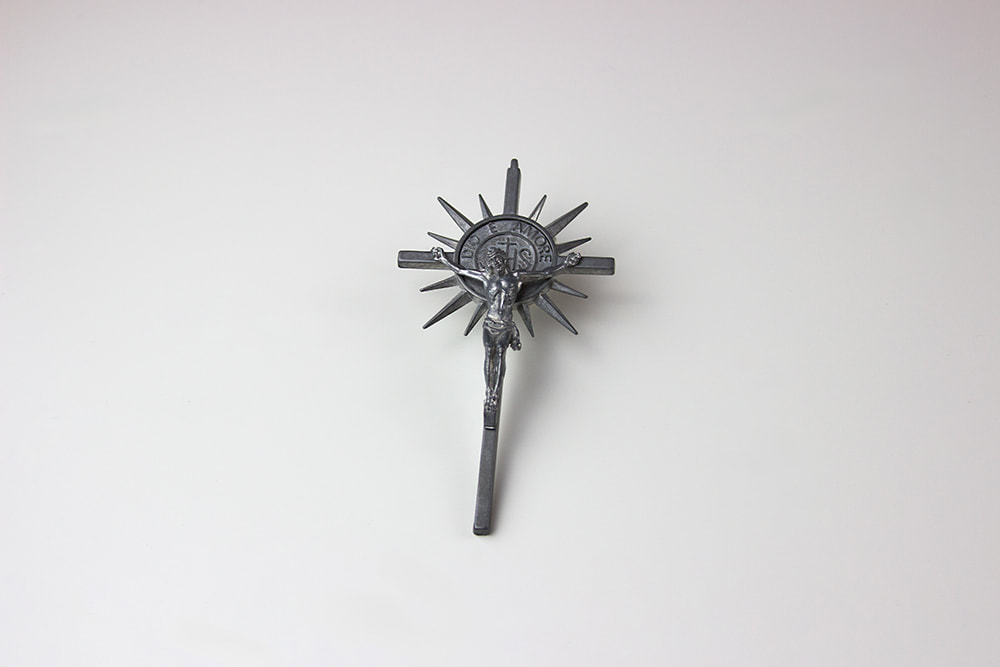
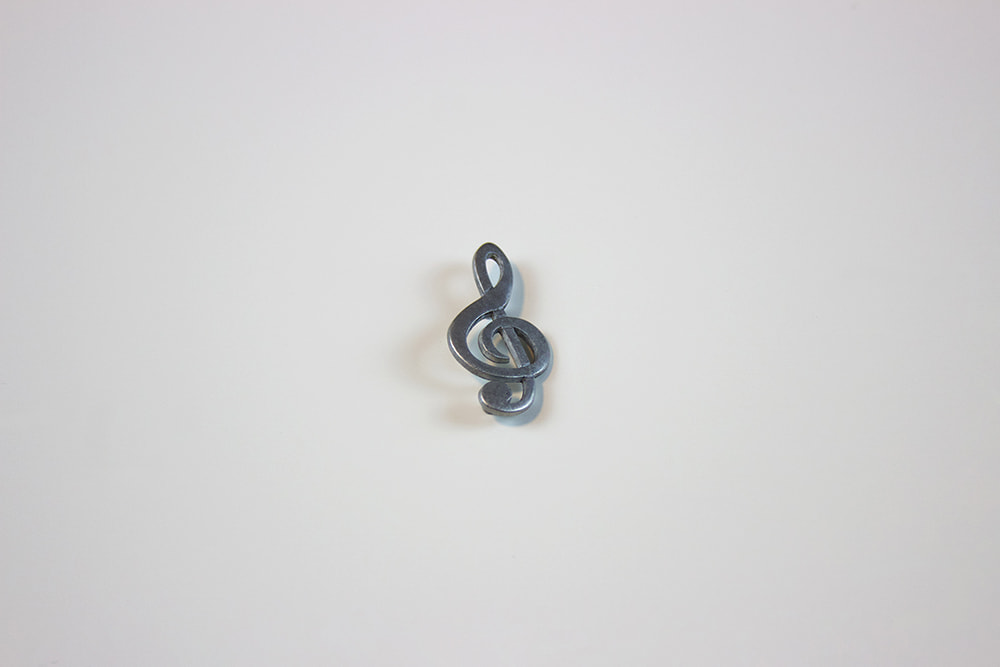
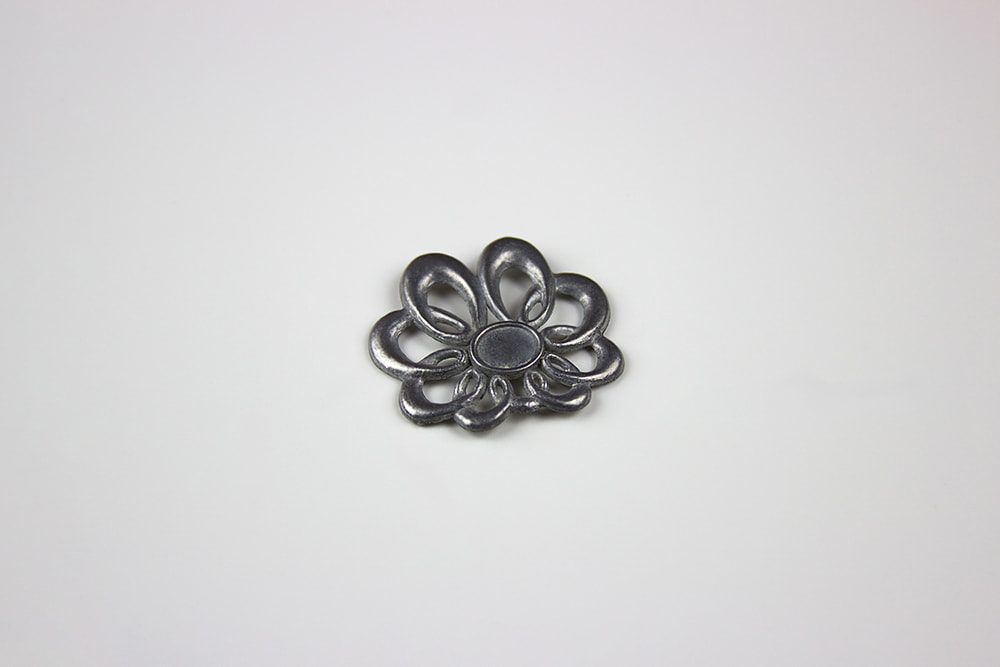
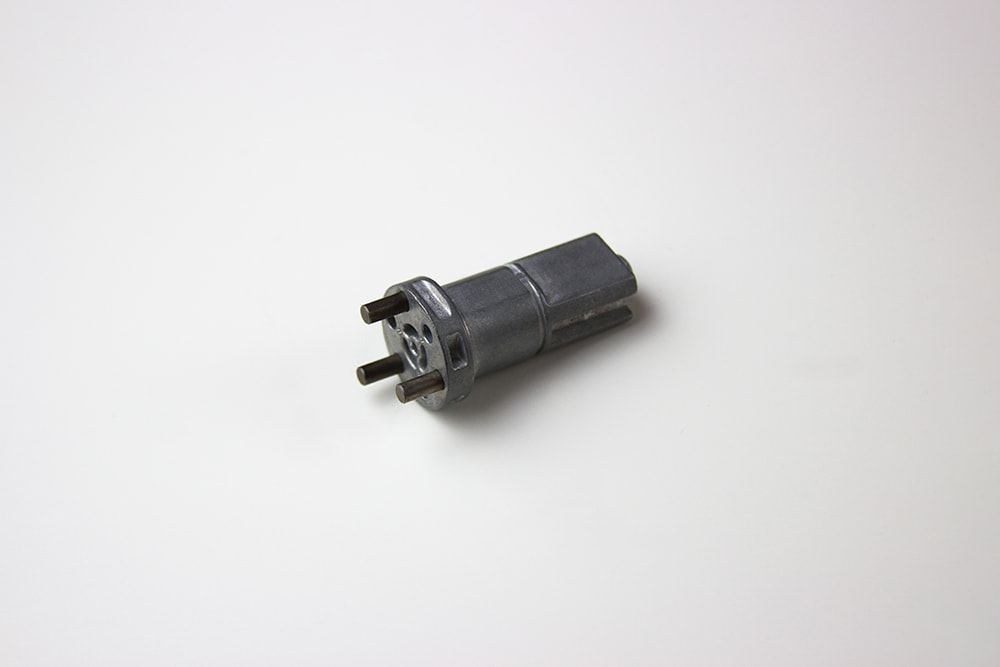
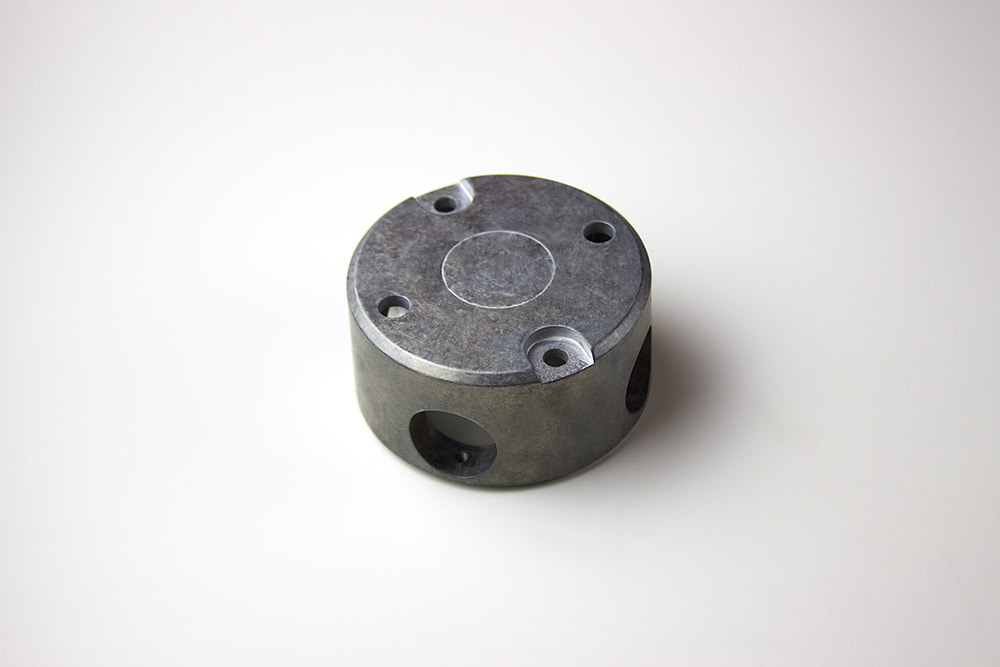
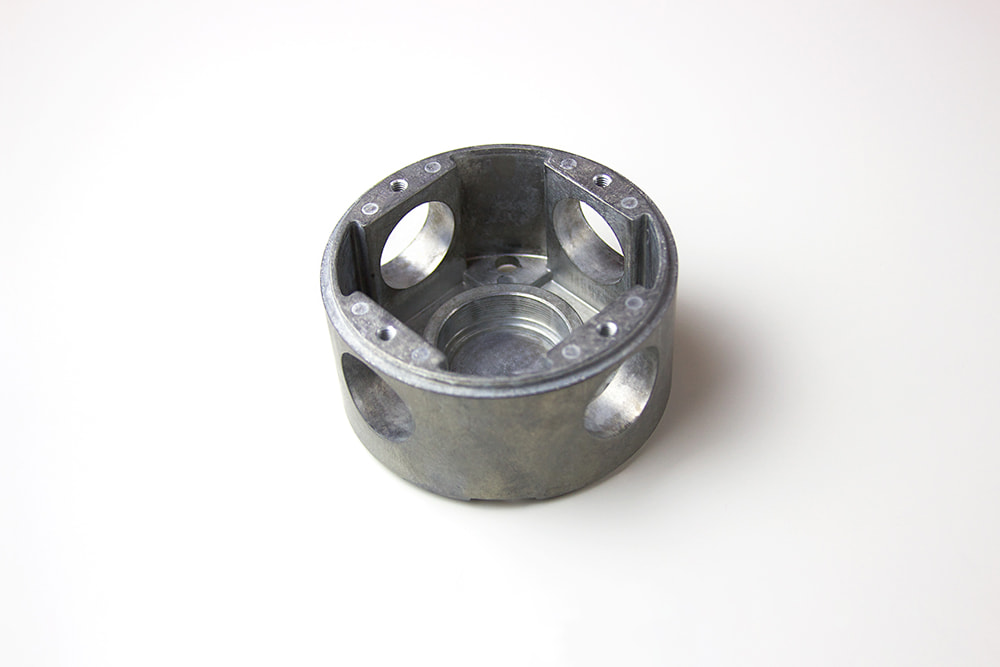
Some of the most common applications include the production of automotive parts, furniture components and accessories, household appliance handles and functional parts, taps and bathroom fittings, shower hinges, valves and pneumatics, architectural hardware, interior design and lighting fixtures, door handles, toys, ornamental and artistic items, mechanical parts, religious art and objects, costume jewellery, fashion apparel hardware, and automotive components.

Learn More About Zamak

what it is, the types, and how it is processed

What is Zamak and what is this alloy composed of?

Zamak alloys were originally developed in 1929 by the New Jersey Zinc Company. The name ZAMAK is an acronym composed of the German initials of its constituent elements: Z (Zink / Zinc), A (Aluminium), MA (Magnesium), and K (Kupfer / Copper). High-purity zinc, essential for this alloy, was not initially available in Europe, so Morris Ashby secured the rights to manufacture the alloy using locally produced zinc refined through an electrolytic process.

What are the main types of Zamak?

The contemporary characteristics of Zamak are the result of nearly a century of international research and development conducted by various companies aiming to identify the most suitable compositions for different applications. Zamak 15, for instance, is a premium-quality zinc alloy that offers exceptional tensile strength, alongside outstanding impact and corrosion resistance.

How does Zamak die casting work?

Zamak ingots are melted at approximately 420°C in a holding furnace situated alongside the press, and the molten metal is then injected into a mould. Following a brief cooling period, the finished part is ejected from the die cavity. Thanks to the high fluidity and low melting point of Zamak alloys, components can be manufactured to incredibly tight tolerances, even when dealing with complex or intricate geometries.